7 Signs Your Swimming Pool Needs Remodeling
Have you noticed major cracks, leaks, or persistent discoloration in your pool? Is the pool’s design a relic of older days? It may be due for a renovation. Pool remodeling lets you target specific problem areas while updating your backyard’s overall look and feel. Here are some of the signs your swimming pool needs remodeling.
Key Takeaways
- Cracks, surface deterioration, damaged tiles, and worn coping are common warning signs that a swimming pool may need remodeling.
- Rough pool surfaces, persistent stains, and discoloration can indicate aging finishes that may benefit from professional resurfacing.
- Frequent repairs, recurring leaks, and ongoing maintenance problems may mean a larger pool renovation is more practical than repeated minor repairs.
- Pool remodeling can update outdated finishes, improve functionality, and enhance the appearance of an existing swimming pool.
- A professional pool inspection can help determine whether repairs, resurfacing, or a more extensive remodeling project is the best solution.
How Do You Know When Your Pool Needs Remodeling?
Start with three questions:
- Is the damage isolated?
- Does it keep returning?
- Are several components deteriorating at once?
A single stain rarely justifies remodeling. However, widespread plaster damage, missing tiles, crumbling coping, or struggling equipment can signal issues that will cause more headaches (and cost more money) later.
1. Cracks in the Pool Surface or Structure
Cracks are common in Texas pools thanks to our clay soil, so fine, spiderweb-like cracks in the plaster aren’t necessarily cause for concern.
If you’re not sure about a crack, photograph it next to a ruler and repeat over several months. If it widens or develops uneven edges, or you notice unusual water loss over that time, the problem may be deeper than the plaster.
2. Stains, Discoloration, and Rough Pool Surfaces
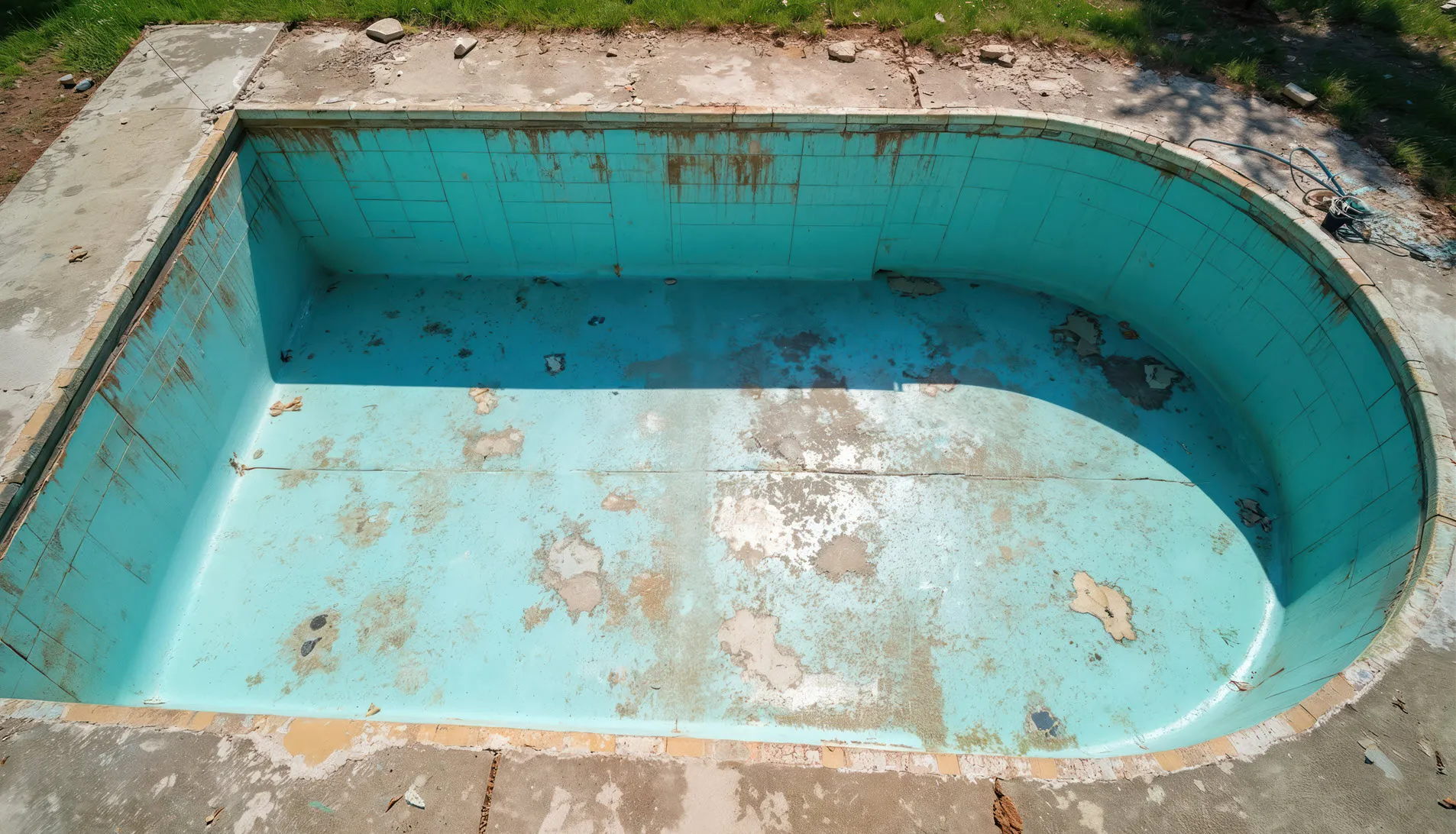
As plaster ages, the smooth top layer erodes and exposes the gritty aggregate beneath, creating a rough surface that’s uncomfortable to walk on and harder to keep clean. Hard water in many parts of Texas can make this worse, as calcium buildup creates a rougher, blotchy surface.
If you notice rust-colored stains, water may be leaking through the finish to the steel beneath the pool shell.
While mineral scale can often be removed, deteriorating plaster and exposed steel require professional pool resurfacing.
3. Damaged or Missing Pool Tiles
If tiles are damaged or missing across a wide area, simply replacing them won’t address the real issue.
Keep an eye out for:
- Groups of cracked tiles
- Gaps along the waterline
- Sections that repeatedly detach
4. Worn or Deteriorating Pool Coping
Coping is the ring along the pool’s upper edge. Loose, raised, or chipped coping deserves attention, particularly where it meets the deck.
Look for uneven areas in the coping and gaps where sections have pulled away from the flexible mastic joint. If you can feel a section move underfoot, avoid it and have it assessed by a professional.
5. Outdated Pool Design and Features
Sometimes, the best sign that it’s time for a remodel is simply that your pool doesn’t match the way you use it. A pool remodel lets you:
- Redesign the steps to make access easier and safer for seniors and young ones
- Add a bench or sun shelf to create a shallow lounging area
- Replace outdated equipment with to increase efficiency and lower your energy bill
- Adjust the depth and shape to fit your preference
- And much more
6. Frequent Pool Repairs and Maintenance Problems
Beyond regular maintenance and utilities, your pool shouldn’t cost you money every month. If you’re paying for repeated repairs and breakdowns, it may be time for a fresh start.
A coordinated pool renovation lets you address multiple issues at once without starting over from scratch. It’s the most efficient way to eliminate recurring problems — and expenses.
7. Leaks or Unexplained Water Loss
Evaporation is normal, but if you’re topping off the pool more than once a week, try the 24-hour bucket test:
- Choose a calm, dry day.
- Turn off automatic filling.
- Place a partially filled bucket on a pool step, with most of the bucket submerged. Mark the water levels inside the bucket and in the pool.
- After 24 hours, compare the drops.
If the pool loses more water, it may have a leak. If a leak-detection specialist determines the cause is structural, a remodel may be the solution.
Should You Repair, Resurface, or Remodel Your Pool?
Use the table below to assess pool repair vs. remodeling based on your needs.
Creating a pool remodel plan can help you separate necessary work from optional upgrades.
How Much Does Pool Remodeling Cost?
It depends on what you need. Every project has a different scope that determines the final quote. However, swimming pool renovations are much more affordable and take less time than demolition and starting from scratch.
Since pricing is project-dependent, the best way to find your cost is to request an itemized estimate based on an on-site consultation.
When Is the Best Time to Remodel Your Pool?
In Texas, the best time to remodel or renovate a pool is fall through early winter (September through February). Autumn is generally considered the peak window.
You’ll avoid summer heat and swimming season, and contractors and permit offices may have more availability. Plus, starting the process well in advance gives you plenty of time to compare estimates, choose materials, and get the work finished before swimming season starts up again.
Frequently Asked Questions
How often should a swimming pool be remodeled?
Pools typically need resurfacing every 7–20 years, depending on the material and how well the water chemistry has been maintained. Equipment generally has an 8–12-year lifespan, and tile and coping can last from 15–20 years.
What are the most common signs that a pool needs resurfacing?
Your pool may need resurfacing if you notice:
- Widespread pitting
- Peeling plaster
- Exposed aggregate
- Increasingly rough surfaces
Is it cheaper to repair or remodel a swimming pool?
An isolated repair usually costs less upfront. Remodeling becomes more cost-effective when several components need replacement or recurring repairs haven’t resolved the issue.
How long does a typical pool remodeling project take?
A typical pool remodel can take anywhere from 2–6 weeks, depending on the scope. Learn more about the pool remodeling timeline.
Pool resurfacing, or replastering, renews the pool’s interior finish. The material you choose influences its appearance, texture, and expected service life.
A concrete pool with plaster may need resurfacing within five to ten years, while a properly installed pebble finish can last more than twenty. Your pool’s age is the first starting point to determine if a complete pool resufacing project is right for you.
If you own a concrete or gunite pool, understanding the interior finish can help you budget ahead and recognize when maintenance needs professional attention.
How Long Do Different Pool Finishes Last?
These are manufacturer estimates from Pebble Technology International, which sells pebble finishes. Treat themas planning guidance, not guaranteed replacement dates.
Traditional plaster provides a smooth, familiar surface that the majority of residential and commercial swimming pools have. A quartz aggregate pool deck finishes incorporate quartz into the cement-based mixture, while a pebble aggregate finish use small stones with the cement mixture. Each offers a different feel and appearance.
Unsure which finish you have? Check your pool construction paperwork or previous resurfacing invoice. A qualified contractor can also help identify it. Ask about the specific product’s maintenance requirements and warranty. The warranty coverage and expected lifespan are separate considerations.
Latest Posts
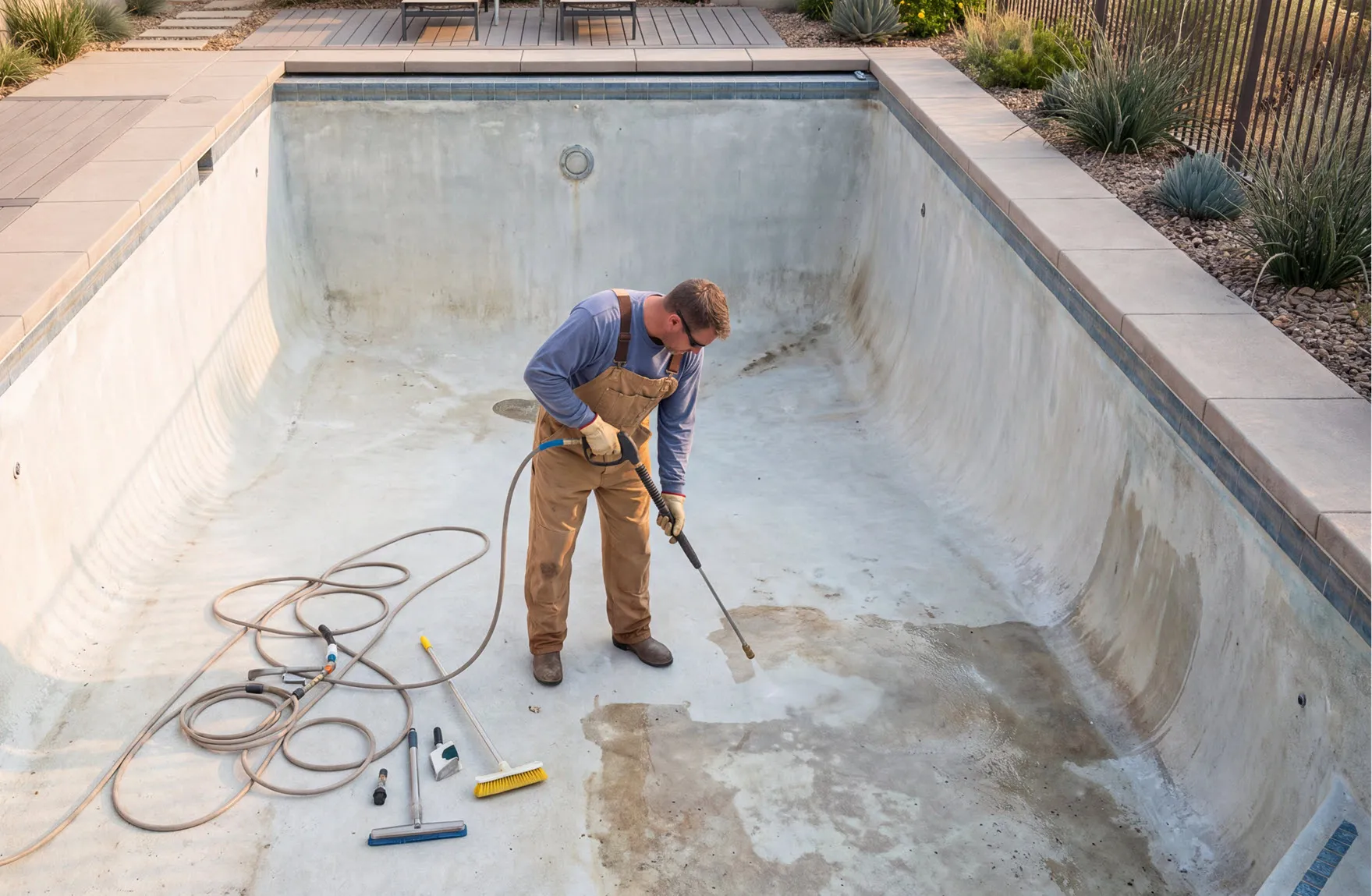
Does Your Pool Need Cleaning, Repair, or Resurfacing?
3 Questions To Ask
Before you approve any work to start, ask your contractor to explain with problem the proposed action plan will solve.
- Is the visible problem a deposit, a stain, ordeterioration of the finish?
- Is the damage limited to one area or spread throughout the pool?
- Do cracks or suspected water loss require a separate investigation?
Ask whether cleaning or a localized repair is appropriate and what limitations that approach would have. If full resurfacing is recommended, request an explanation of why a smaller repair would be insufficient. A useful proposal connects the observed condition to the work being recommended. It should also identify any additional investigation needed before that work begins.
How To Help Your Pool Surfaces Last Longer
Consistent pool surface care gives your finish its best chance of reaching its expected lifespan. PebbleTec recommends testing water chemistry at least weekly for its finishes and keeping water analysis reports.
Follow your own finish manufacturer’s instructions and your service professional’s advice about additional testing. Make these habits part of your routine:
- Follow written water chemistry and maintenance instructions.
- Brush with equipment appropriate for your pool finish.
- Remove leaves and other debris regularly.
- Keep service records and report surface changes to your pool maintenance provider.
After a pool resurfacing project, keep the startup instructions with your maintenance records. PebbleTec publishes specific requirements for brushing, heating, and adding salt during this period, illustrating why care must match the installed product.
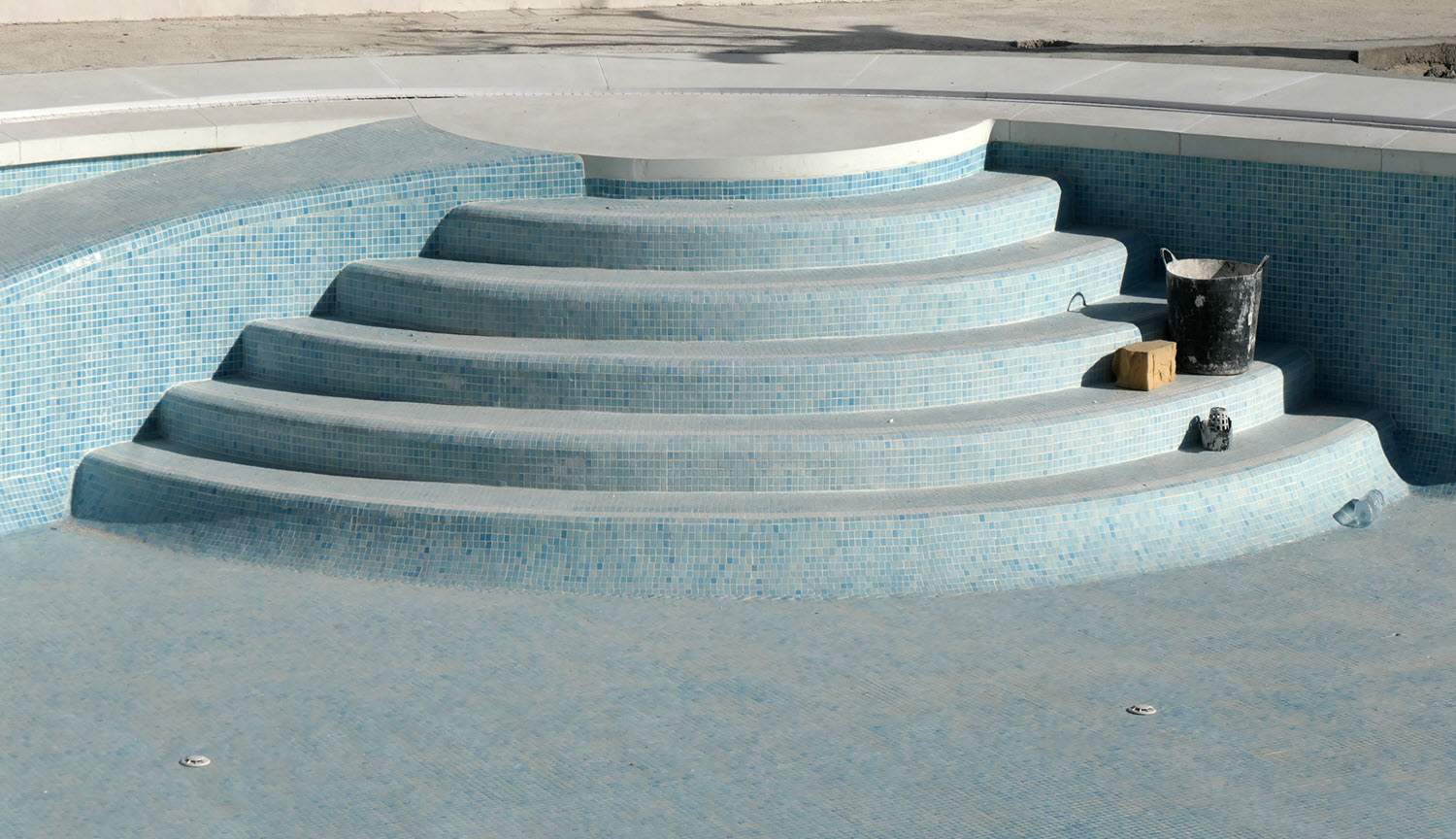
When Should You Schedule an Inspection?
Schedule an evaluation when you notice pool surface deterioration or want help planning for an aging finish. Bring the installation date, product information, maintenance records, and photographs if available. Get a clear explanation of what your pool needs and why. Contact Precision Pool Restoration to discuss your surface concerns and whether cleaning, repair, or resurfacing is the appropriate next step.
Works Cited
“How Long Does a Pebble Pool Finish Last?” Pebble Technology International, https://pebbletec.com/more-to-explore/how-long-does-a-pebble-pool-finish-last/.
“Pool Care Instructions.” Pebble Technology International, https://pebbletec.com/customer-support/pool-care-instructions/.
“Pool Interior Finish Disclosure.” National Plasterers Council, 16 Dec. 2015, https://www.npconline.org/page/pool-interior-finish-disclosure.
“Swimming Pool Finishes & Etching Deterioration.” National Plasterers Council, https://www.npconline.org/page/swimming-pool-deterioration.