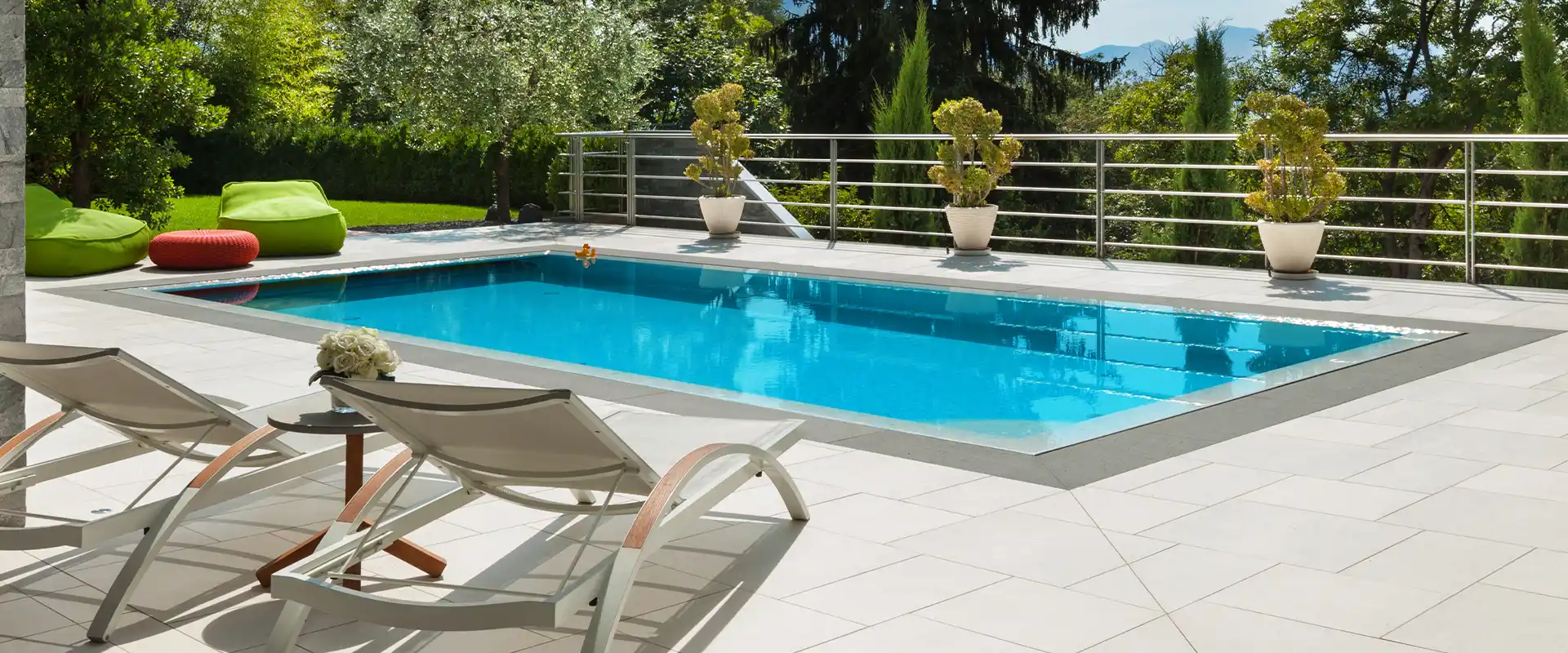
How to Choose a Pool Remodeling Company in Houston, TX
Is this the year you revamp your backyard? If you have an in-ground pool, your first step is to choose a pool remodeling company in Houston, TX, that you can trust.
A successful pool renovation requires more than general construction knowledge. Whether you want a new surface or a completely updated design, the right team should know how to evaluate an aging pool, recommend solutions that fit your goals, and complete the work on time.
Knowing what to look for can help you choose a company that delivers a streamlined experience with the results you want.
Key Takeaways
- Choose a Houston pool remodeling company with experience renovating existing in-ground pools.
- Review licensing, insurance, warranties, and the scope of work before hiring.
- Ask to see completed projects similar to the remodel you are planning.
- Local experience helps contractors account for Houston-area conditions.
- Compare estimates based on scope, materials, workmanship, and long-term value.
What to Look For
Not every pool company focuses on the same type of work. Some companies specialize in building new pools, while others focus on restoring and upgrading existing pools. Look for a company that specializes in maximizing the value of the pool you already own.
The difference can be significant. Unlike many general construction projects, pool restoration often requires diagnosing issues, recommending design and functionality upgrades, and delivering the right results on schedule.
Pool remodelers in Houston should provide:
- A clear inspection and evaluation process
- A detailed scope of work
- Written material selections and timeline expectations
- Dedicated project coordinators
- Examples of completed renovations
Experience and Qualifications
Experience matters when remodeling an existing pool because every project has a different starting point. A qualified pool renovation company in Houston should understand how to work with aging surfaces, outdated equipment, worn decking, and specific design requests.
The team should be able to identify issues that need to be addressed and explain their findings in clear terms.
Since pool renovation often involves addressing several areas at once, your provider should have expertise in resurfacing, re-tiling, re-coping, deck coatings, equipment upgrades, and other improvements.
Before hiring a company, review details such as:
- How long have they worked in pool renovation?
- Do they focus on remodeling or new construction?
- Do they provide warranty coverage?
- What’s their approach to project management?
- How much information do they provide before work begins?
Reviews and Past Projects
A quality renovation is not only about the finished appearance. It’s also about having a respectful, streamlined experience from start to finish.
Photos and reviews can tell you a lot about a company’s workmanship and process, but remember to look beyond before-and-after images. Pay attention to projects similar to yours. A company that has completed renovations for pools with a similar age, size, or design may be better prepared for your project.
Ask to see examples of:
- Pool resurfacing projects
- Deck renovations
- Tile and coping updates
- Equipment improvements
- Larger backyard transformations
Customer reviews can also reveal how pool remodelers near Houston handle communication, scheduling, and unexpected issues.
Why Local Experience Matters
Houston’s climate and soil conditions create challenges that can affect how pools age and how renovations should be planned. A Houston pool remodeling company should understand how Gulf Coast heat, humidity, rainfall, and expansive clay soils impact local pools.
- Houston’s clay-rich soils expand when wet and contract when dry, placing stress on pool shells, decks, and hardscapes.
- Heat and strong UV exposure can contribute to surface wear, fading, and increased strain on equipment that runs frequently throughout the swimming season.
- With seasonal rains and high humidity, poor drainage around the pool area can contribute to water intrusion, widening cracks, and damage to coping materials.
Experienced restoration specialists can identify warning signs, recommend appropriate repairs, and suggest materials and scheduling that account for Houston’s soil and weather patterns.
Questions to Ask Before Hiring
Before selecting a pool remodeling company in Houston, ask questions that help you understand their process and expectations.
Important questions include:
- How much experience do you have with pool renovations like mine? A company should be able to explain similar projects and how they approached them.
- What is included in the scope of work? Make sure the estimate clearly explains what the project will address, which materials will be used, and what is not included.
- Who will manage my project? Will you have a single point of contact throughout the process?
- What warranties are included? Ask what coverage applies to materials and workmanship.
- What issues could affect the timeline? A reliable company should explain possible challenges before work begins.
You can also ask about the renovation process itself, including preparation, installation steps, and what happens after the work is complete.
How to Compare Estimates
As you collect estimates, remember that the lowest price is not always the best value.
A complete estimate should explain:
- The total scope of work
- Selected materials
- Preparation required
- Timeline expectations
- Warranty details
Two estimates may look different because one includes more preparation, higher-quality materials, or additional repairs needed for long-term performance. Don’t move forward with an estimate that doesn’t clearly detail every aspect of the project.
Choosing a pool remodeling company is about finding a team that understands your goals and has the experience to bring your vision to life. Precision Pool Restoration has over 30 years of experience in in-ground pool renovations across Texas. If you are ready to explore your options, request a quote to discuss your project with a restoration specialist.
Pool Remodeling Frequently Asked Questions
How do I choose a pool remodeling company in Houston, TX?
Look for a company with experience renovating existing pools, clear communication, strong reviews, detailed estimates, and a proven process. Review past projects and confirm what your project scope includes before making a decision.
What should I ask a pool remodeling contractor before hiring them?
Ask about their experience, warranties, project timelines, materials, preparation steps, and who will manage the project. A clear understanding of the process can help prevent surprises later.
Should a pool remodeling company be licensed and insured?
Texas does not have a statewide "pool construction" license; however, pool remodeling companies in Houston should carry proper insurance and follow trade guidelines. Any electrical or plumbing work should be performed by a licensed professional. In addition, the remodeling company should pull all required permits prior to construction.
How long does pool remodeling take in Houston?
The timeline depends on the project scope. A resurfacing-focused renovation may take around 1–2 weeks, while larger remodels involving decking, equipment upgrades, or additional features can take 3–6 weeks. Weather, material availability, and the pool’s current condition can also affect scheduling.
Pool resurfacing, or replastering, renews the pool’s interior finish. The material you choose influences its appearance, texture, and expected service life.
A concrete pool with plaster may need resurfacing within five to ten years, while a properly installed pebble finish can last more than twenty. Your pool’s age is the first starting point to determine if a complete pool resufacing project is right for you.
If you own a concrete or gunite pool, understanding the interior finish can help you budget ahead and recognize when maintenance needs professional attention.
How Long Do Different Pool Finishes Last?
These are manufacturer estimates from Pebble Technology International, which sells pebble finishes. Treat themas planning guidance, not guaranteed replacement dates.
Traditional plaster provides a smooth, familiar surface that the majority of residential and commercial swimming pools have. A quartz aggregate pool deck finishes incorporate quartz into the cement-based mixture, while a pebble aggregate finish use small stones with the cement mixture. Each offers a different feel and appearance.
Unsure which finish you have? Check your pool construction paperwork or previous resurfacing invoice. A qualified contractor can also help identify it. Ask about the specific product’s maintenance requirements and warranty. The warranty coverage and expected lifespan are separate considerations.
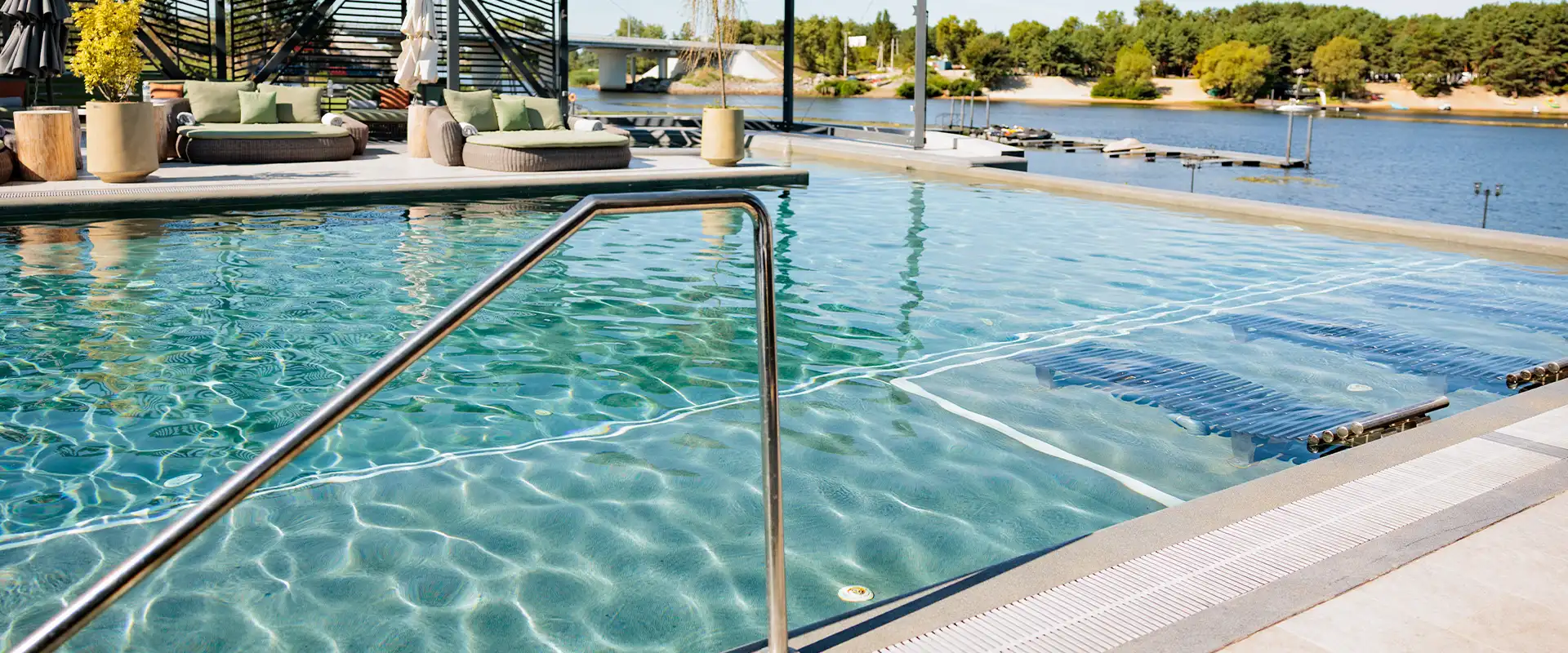
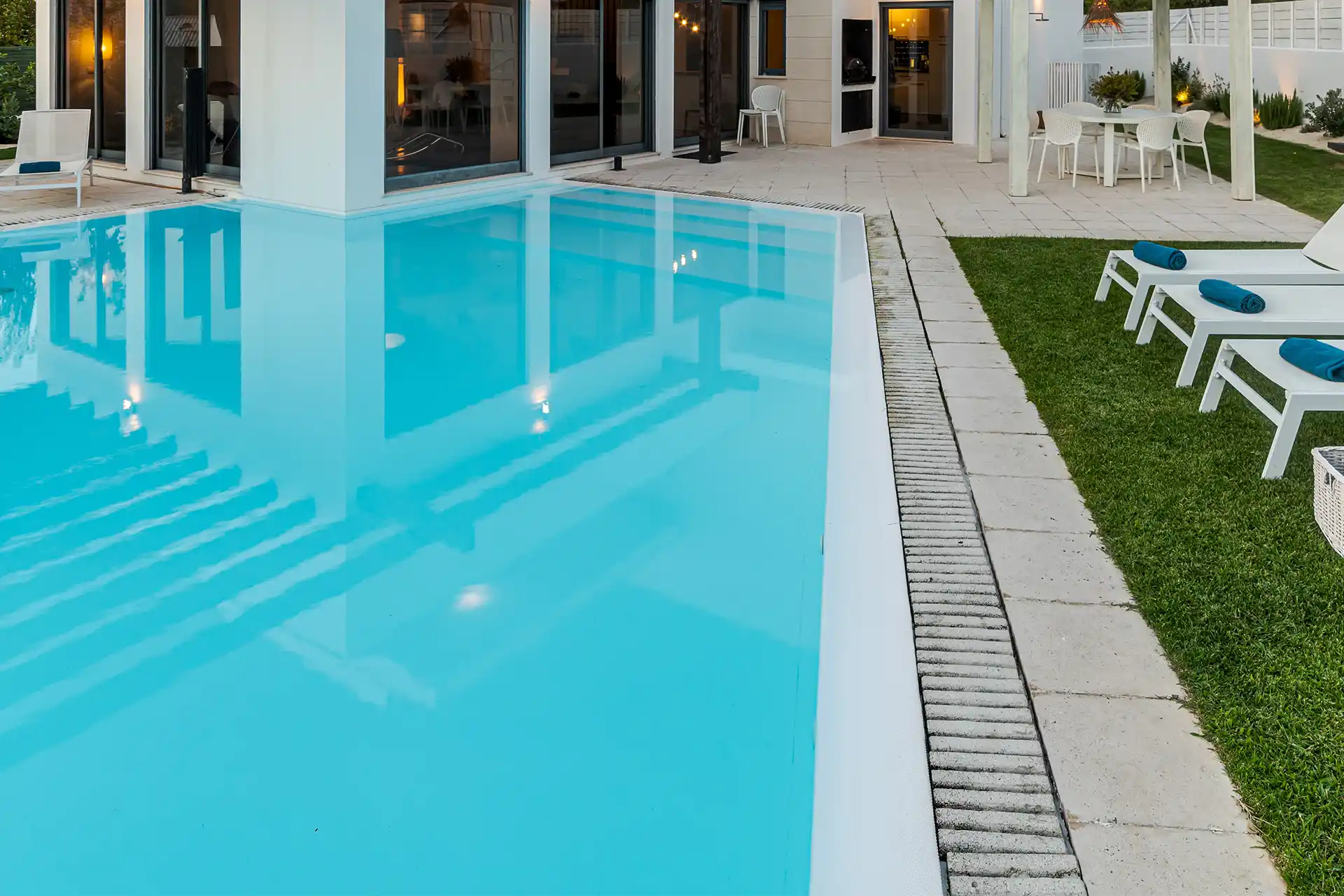
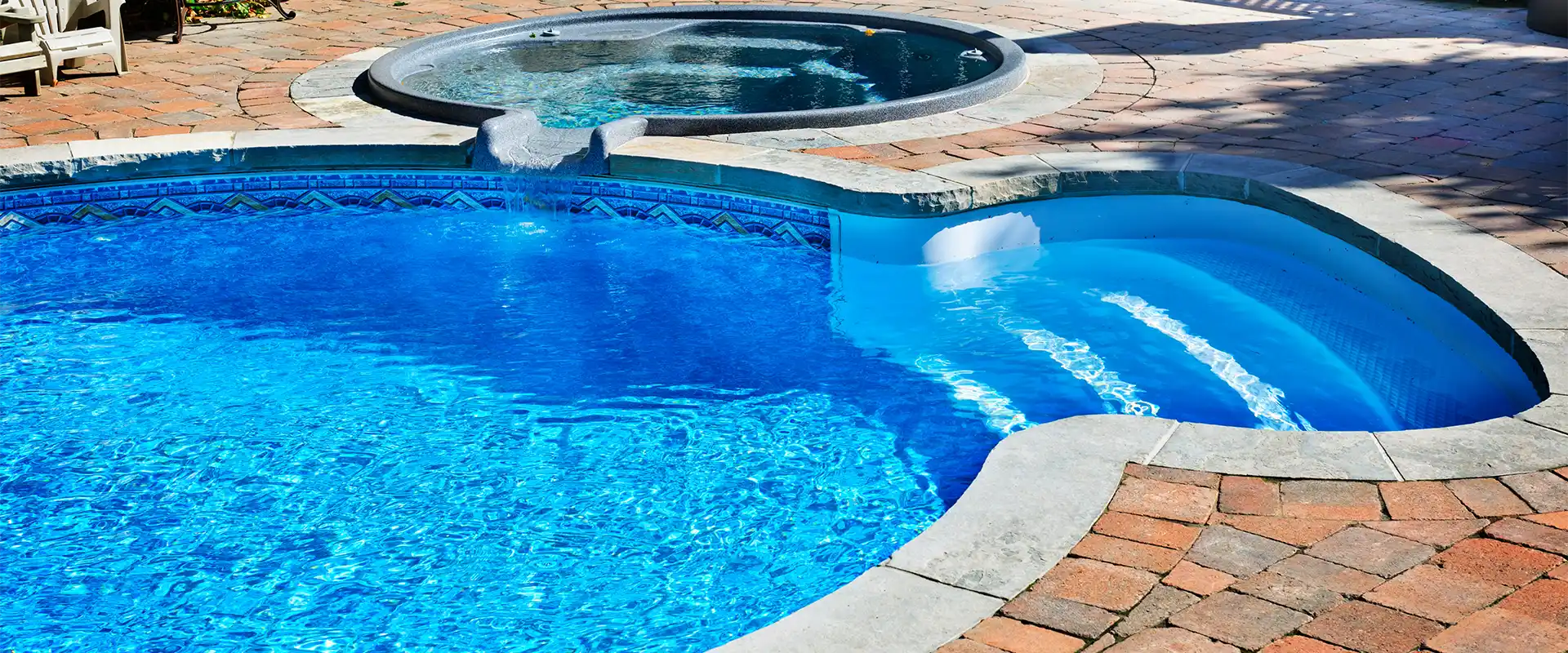

Does Your Pool Need Cleaning, Repair, or Resurfacing?
3 Questions To Ask
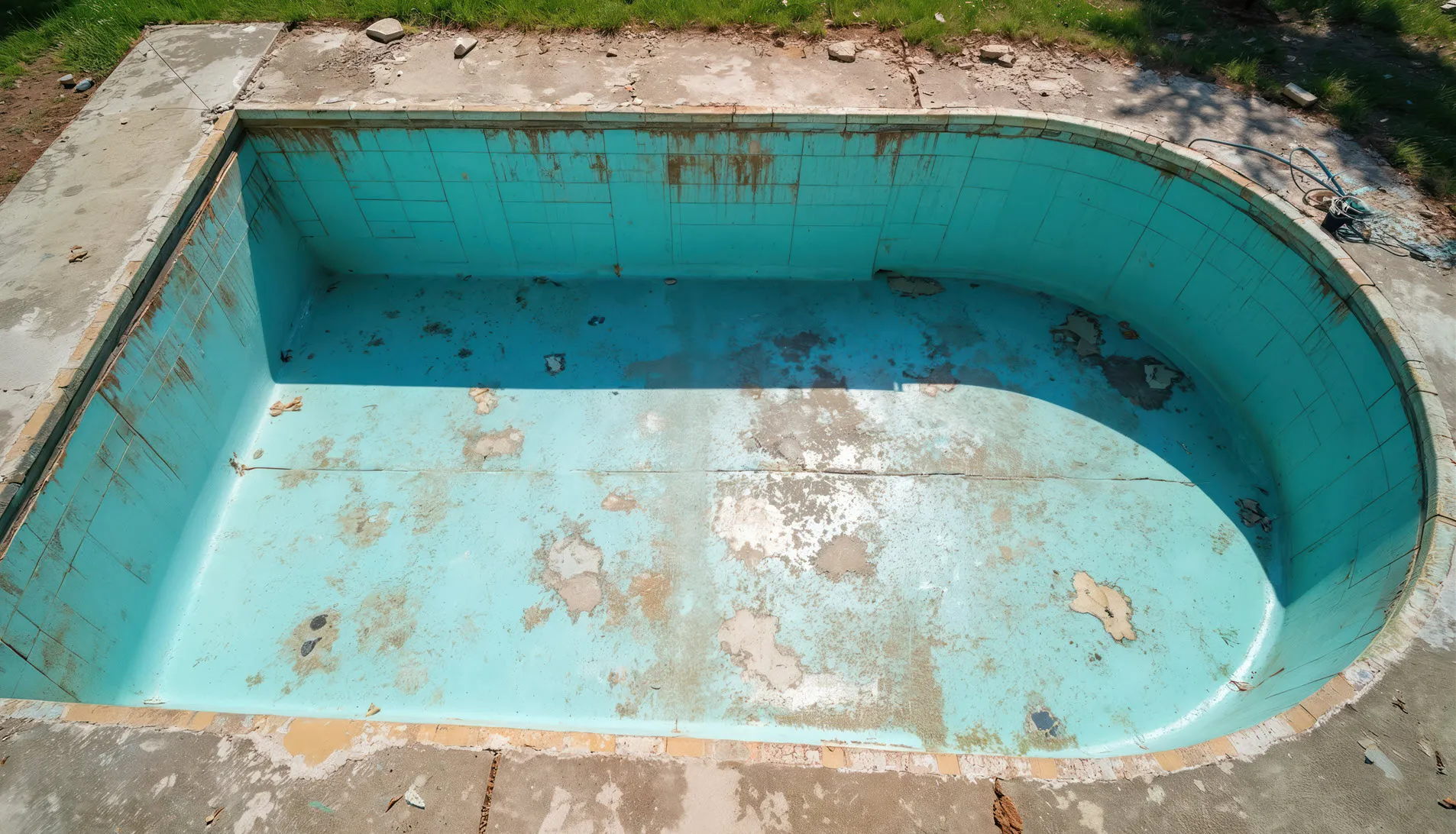
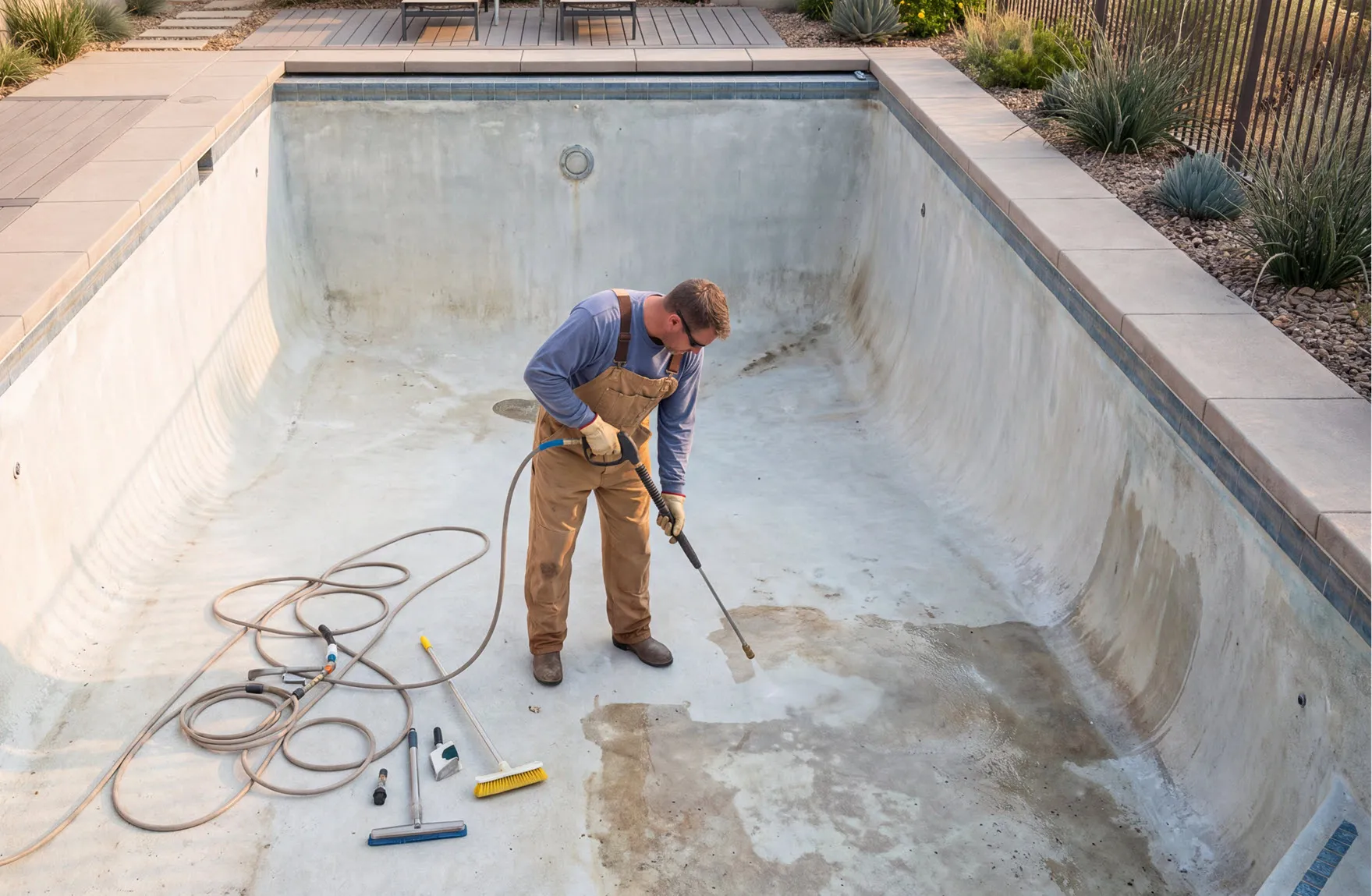
Before you approve any work to start, ask your contractor to explain with problem the proposed action plan will solve.
- Is the visible problem a deposit, a stain, ordeterioration of the finish?
- Is the damage limited to one area or spread throughout the pool?
- Do cracks or suspected water loss require a separate investigation?
Ask whether cleaning or a localized repair is appropriate and what limitations that approach would have. If full resurfacing is recommended, request an explanation of why a smaller repair would be insufficient. A useful proposal connects the observed condition to the work being recommended. It should also identify any additional investigation needed before that work begins.
How To Help Your Pool Surfaces Last Longer
Consistent pool surface care gives your finish its best chance of reaching its expected lifespan. PebbleTec recommends testing water chemistry at least weekly for its finishes and keeping water analysis reports.
Follow your own finish manufacturer’s instructions and your service professional’s advice about additional testing. Make these habits part of your routine:
- Follow written water chemistry and maintenance instructions.
- Brush with equipment appropriate for your pool finish.
- Remove leaves and other debris regularly.
- Keep service records and report surface changes to your pool maintenance provider.
After a pool resurfacing project, keep the startup instructions with your maintenance records. PebbleTec publishes specific requirements for brushing, heating, and adding salt during this period, illustrating why care must match the installed product.
When Should You Schedule an Inspection?
Schedule an evaluation when you notice pool surface deterioration or want help planning for an aging finish. Bring the installation date, product information, maintenance records, and photographs if available. Get a clear explanation of what your pool needs and why. Contact Precision Pool Restoration to discuss your surface concerns and whether cleaning, repair, or resurfacing is the appropriate next step.
Works Cited
“How Long Does a Pebble Pool Finish Last?” Pebble Technology International, https://pebbletec.com/more-to-explore/how-long-does-a-pebble-pool-finish-last/.
“Pool Care Instructions.” Pebble Technology International, https://pebbletec.com/customer-support/pool-care-instructions/.
“Pool Interior Finish Disclosure.” National Plasterers Council, 16 Dec. 2015, https://www.npconline.org/page/pool-interior-finish-disclosure.
“Swimming Pool Finishes & Etching Deterioration.” National Plasterers Council, https://www.npconline.org/page/swimming-pool-deterioration.