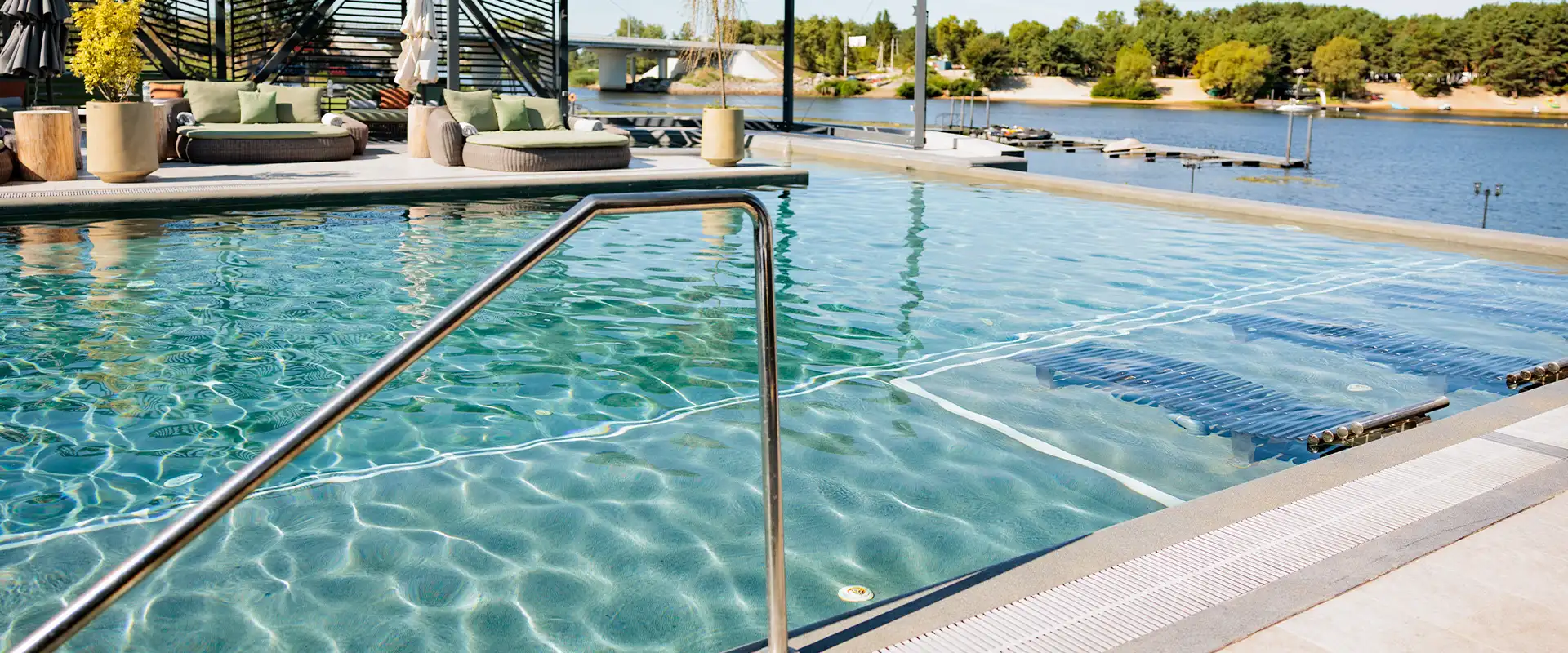
Can You Make an Existing Inground Pool Bigger?
The short answer: yes. Pool modification, or expansion, changes the pool shell that holds water. You can extend the pool’s length, widen one side, or expand the footprint to create a shallow lounging area. Whether that makes sense for your pool depends on its structure, your property, and your budget.
Before choosing a new shape, you need to know whether your existing pool can support the proposed renovation and what else must change around it.
How Do You Make an Inground Pool Bigger?
Concrete and gunite pools offer options for enlarging them, but it does require substantial construction. Depending on the new pool design: Precision Pool Restoration crews remodeling and pool expansion:
- Can remove part of the existing pool shell
- Excavate the additional area in the backyard
- Install reinforcing steel and plumbing and build the new section
- The connection between the original concrete and the addition is seamless
Gunite Pools
The same methods can also be used for gunite pools. However, because gunite is a type of dry-mix shotcrete, or spraying concrete material into place, Bill Drakeley explains that poor surface preparation and reinforcement placement can cause cracking where old and new concrete meets (Watershape University). Like concrete pools, gunite pools also need to ensure the connection between original and new gunite is seamless.
What Does “A Bigger Pool” Mean for You?
“Bigger” can mean several things: more room for swimming laps, your family needs a wider play area, or you want a sun shelf without giving up the space you already use. Start with how you want to use your swimming pool today and the years to come.
Define Your Pool Experience Goals First
Example: Pool Expansion for Swimming Laps
What if you wanted to extend your rectangular swimming pool from 28ft to 32ft, while keeping its width at 16ft? With some quick math, that adds 64 square feet of surface area, or an increase of about 14%.
This is an illustration; the benefit depends on whether the additional 14% in surface area will meet the goals you have for your pool. Is that enough room for you to swim laps?
Example: Pool Expansion for Sun Shelf
What if you wanted to add a new sun shelf inside the existing swimming pool, and you don’t want to increase the pool’s footprint? You have to consider how you use the interior going forward and the reduction of open swimming space.
If you wanted to create the same sun shelf, but not sacrifice existing pool swimming space, then you would need to modify the pool’s shape outward. And, that sun shelf is a different project altogether.
What Determines Whether Pool Expansion Is Possible?
A site evaluation will address the existing shell, surrounding soil, and available space. Structural cracks, deteriorated concrete, or corroded reinforcement may change the proposed approach.
The site evaluation and structural analysis should consider soil conditions and relevant loads, including water pressure and nearby weight pressing on the ground. An open stretch of lawn does not automatically mean the pool can expand into it.
Your pool renovation team should also review:
- Property boundaries, required setbacks, and utility easements
- Underground power lines, gas lines, fiber optic cable, and other nearby structures
- Groundwater, drainage, and changes in elevation
- Backyard access for excavation equipment and debris removal
Local Ordinance and HOA Approvals
Local and Homeowners Association (HOA) approvals matter, too. The City of Austin includes residential pool construction, replacement, and repair in its residential permitting process. Confirm the requirements for your address and proposed work before construction begins.
Will My Pool Equipment Need to Change?
Ultimately, it depends on the modifications made to the pool. When you create a larger pool surface area and a new shape, that shape can change how water circulates. Pentair identifies pool size and proper flow rate as factors in pump efficiency; your pool pump moves water through the equipment used to filter, treat, and heat it.
Before you begin your pool renovation project, ask your contractor to review the pump, filter, heater, plumbing, skimmers, and return locations together. A larger pump is not automatically the answer. The system needs to work as a whole, and some existing components may still be suitable. Get that assessment before finalizing the construction budget.
What Drives Pool Modification Cost & Timeline?
The added square footage is only part of the cost of a pool modification or remodel. Your project estimate should account for:
- Design and engineering costs and time
- Obtaining the proper permits for construction approval
- Additional permits and time for demolition, excavation, and structural work
- Any new or additional pool plumbing and equipment to ensure flawless operation
- Any new pool restorations to the interior surface, pool tile and coping, pool decking, and pool drainage
Ask for a written project scope that explains what is included, what’s not, and how unexpected conditions will be handled. The pool renovation schedule should also include approvals, inspections, concrete curing, finish installation, and pool startup.
When Pool Renovation Makes More Sense Than Expanding Your Pool
If your main frustration is comfort or appearance, engaging in a pool expansion may be more construction than you need and cost more than you need to spend. Precision Pool Restoration offers a variety of pool renovation services that can address your concerns and have you ready for next pool season.
If the pool decking is cracked, worn, and dull, if the pool tile and coping are dated, dingy, or deteriorated, if the interior pool surfaces are aged, stained, or rough, ask for a comparison between a complete pool renovation and pool feature replacement. Start by discussing how you want to use yours, then request an evaluation of the structure and site. A larger pool may be possible; the right design should give you usable space worth the construction.
Works Cited
City of Austin. “Residential Plan Review.” AustinTexas.gov, https://www.austintexas.gov/development-services/residential-plan-review. Accessed 29 Sept. 2026.
Drakeley, Bill. “Swimming Pool Renovation with Shotcrete.” Shotcrete, Spring 2019, pp. 30–33, https://shotcrete.org/wp-content/uploads/2020/05/2019Spr_Drakeley.pdf.
Pentair. “Pool Pump Information Guide.” Pentair, https://www.pentair.com/education-support/water-education-center/pool-and-spa-education/pool-pump-information-guide.html. Accessed 29 Sept. 2026.
Watershape University. “4. Structural Requirements for Watershapes.” International Watershape Institute, 1 Jan. 2024, https://iwi.org/position-paper/4-structural-requirements-for-watershapes/. Accessed 29 Sept. 2026.
Pool resurfacing, or replastering, renews the pool’s interior finish. The material you choose influences its appearance, texture, and expected service life.
A concrete pool with plaster may need resurfacing within five to ten years, while a properly installed pebble finish can last more than twenty. Your pool’s age is the first starting point to determine if a complete pool resufacing project is right for you.
If you own a concrete or gunite pool, understanding the interior finish can help you budget ahead and recognize when maintenance needs professional attention.
How Long Do Different Pool Finishes Last?
These are manufacturer estimates from Pebble Technology International, which sells pebble finishes. Treat themas planning guidance, not guaranteed replacement dates.
Traditional plaster provides a smooth, familiar surface that the majority of residential and commercial swimming pools have. A quartz aggregate pool deck finishes incorporate quartz into the cement-based mixture, while a pebble aggregate finish use small stones with the cement mixture. Each offers a different feel and appearance.
Unsure which finish you have? Check your pool construction paperwork or previous resurfacing invoice. A qualified contractor can also help identify it. Ask about the specific product’s maintenance requirements and warranty. The warranty coverage and expected lifespan are separate considerations.
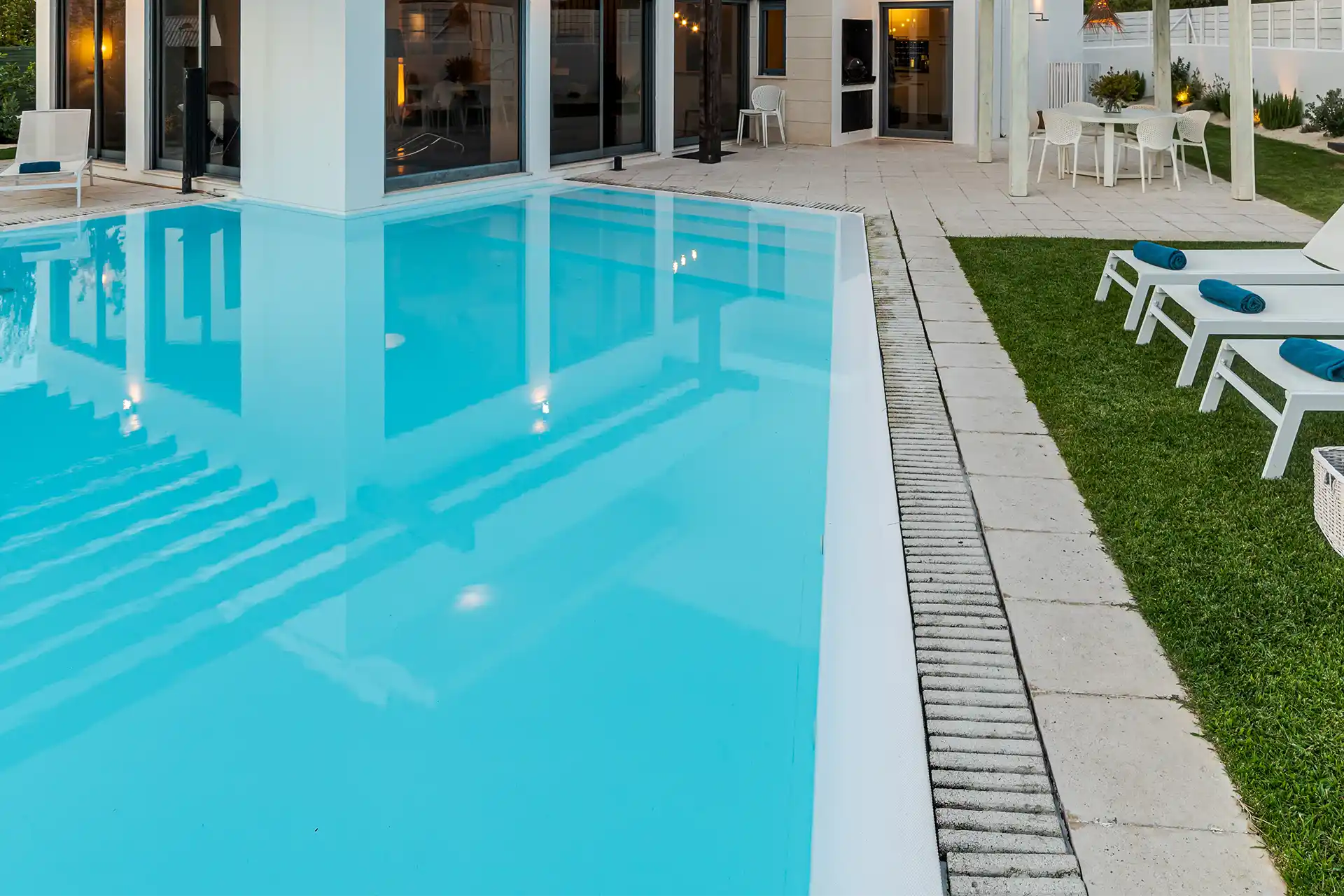
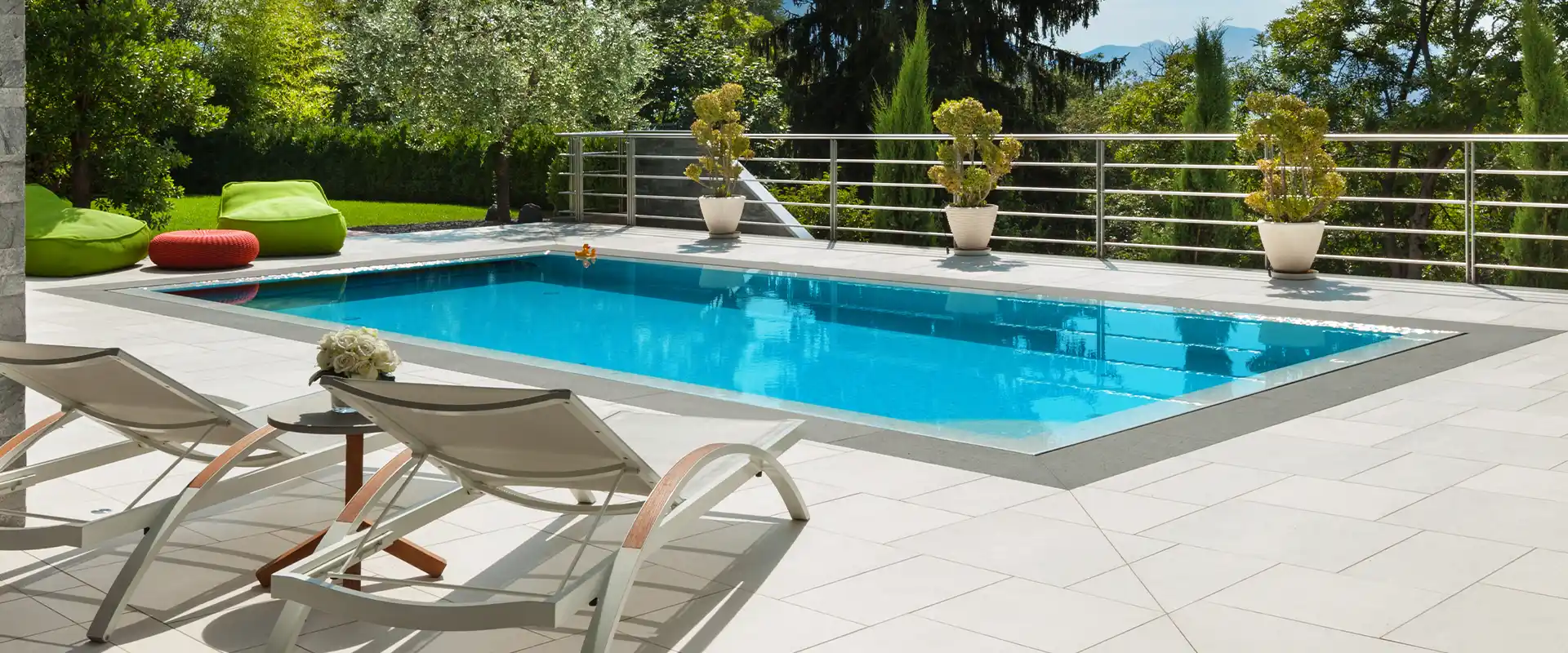
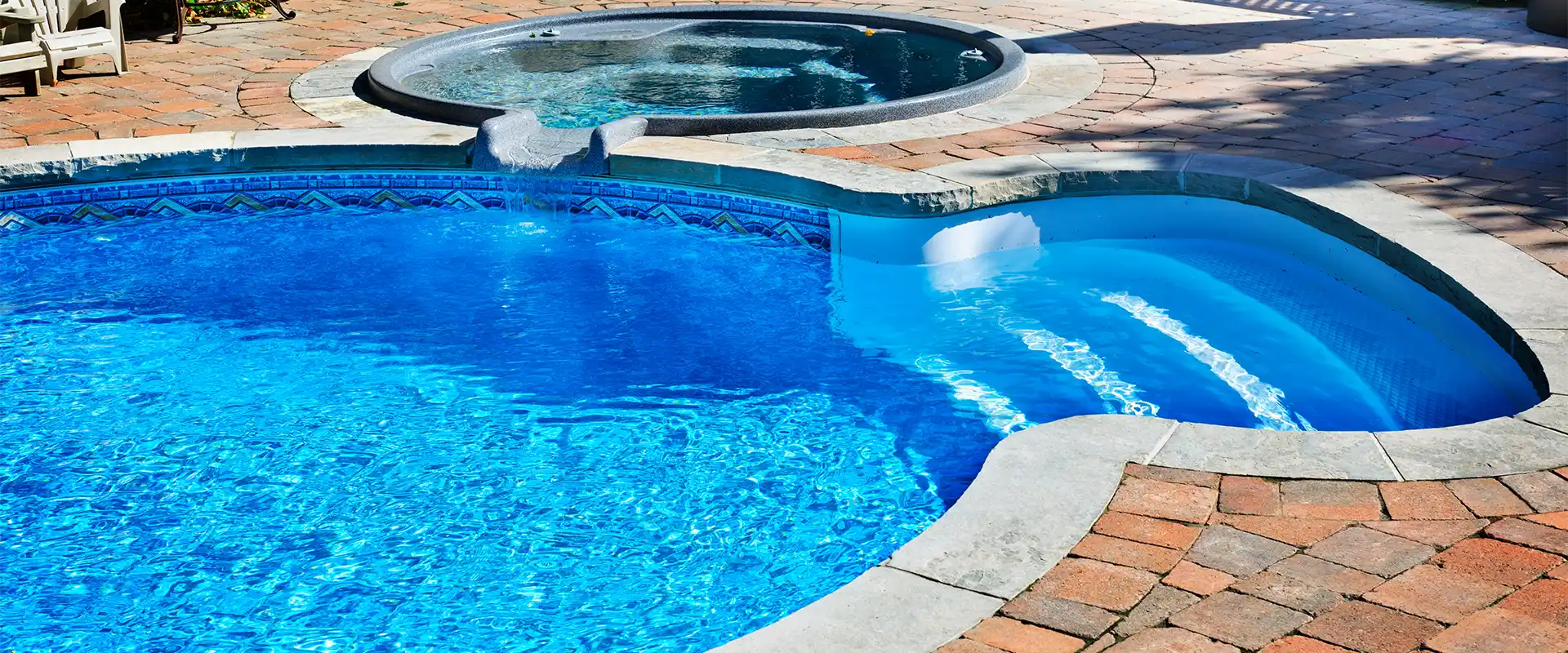
Does Your Pool Need Cleaning, Repair, or Resurfacing?
3 Questions To Ask
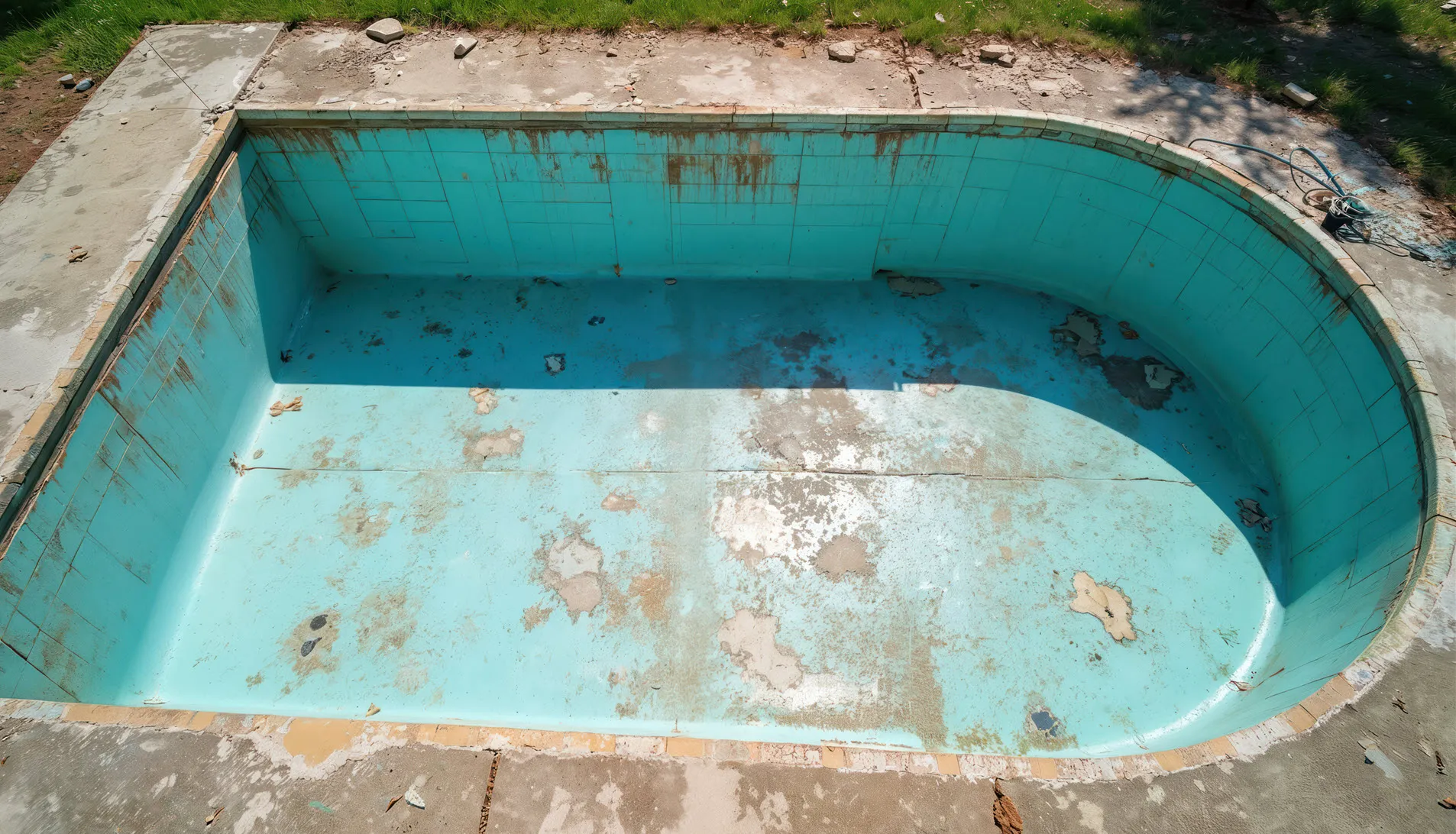
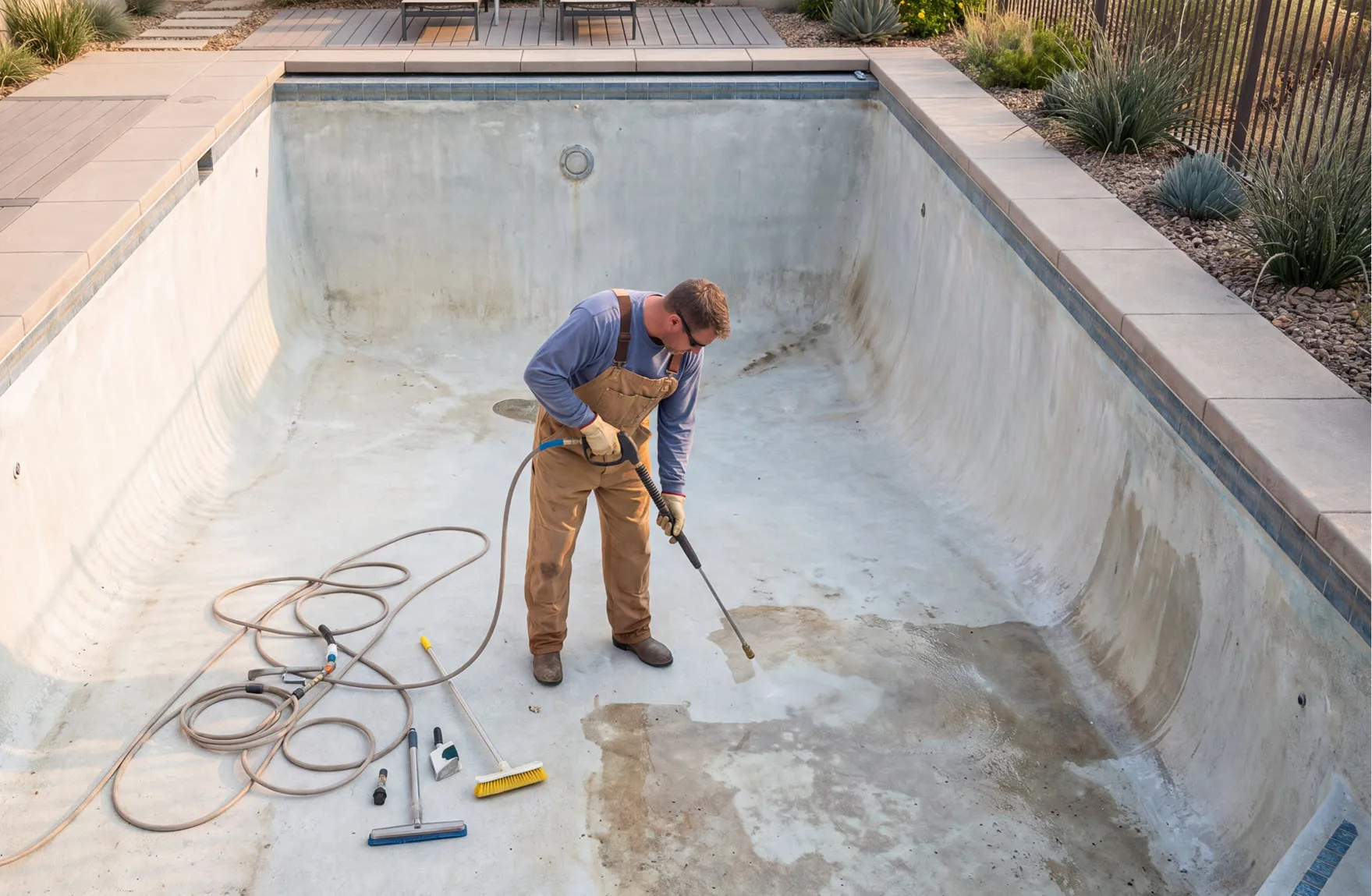
Before you approve any work to start, ask your contractor to explain with problem the proposed action plan will solve.
- Is the visible problem a deposit, a stain, ordeterioration of the finish?
- Is the damage limited to one area or spread throughout the pool?
- Do cracks or suspected water loss require a separate investigation?
Ask whether cleaning or a localized repair is appropriate and what limitations that approach would have. If full resurfacing is recommended, request an explanation of why a smaller repair would be insufficient. A useful proposal connects the observed condition to the work being recommended. It should also identify any additional investigation needed before that work begins.
How To Help Your Pool Surfaces Last Longer
Consistent pool surface care gives your finish its best chance of reaching its expected lifespan. PebbleTec recommends testing water chemistry at least weekly for its finishes and keeping water analysis reports.
Follow your own finish manufacturer’s instructions and your service professional’s advice about additional testing. Make these habits part of your routine:
- Follow written water chemistry and maintenance instructions.
- Brush with equipment appropriate for your pool finish.
- Remove leaves and other debris regularly.
- Keep service records and report surface changes to your pool maintenance provider.
After a pool resurfacing project, keep the startup instructions with your maintenance records. PebbleTec publishes specific requirements for brushing, heating, and adding salt during this period, illustrating why care must match the installed product.
When Should You Schedule an Inspection?
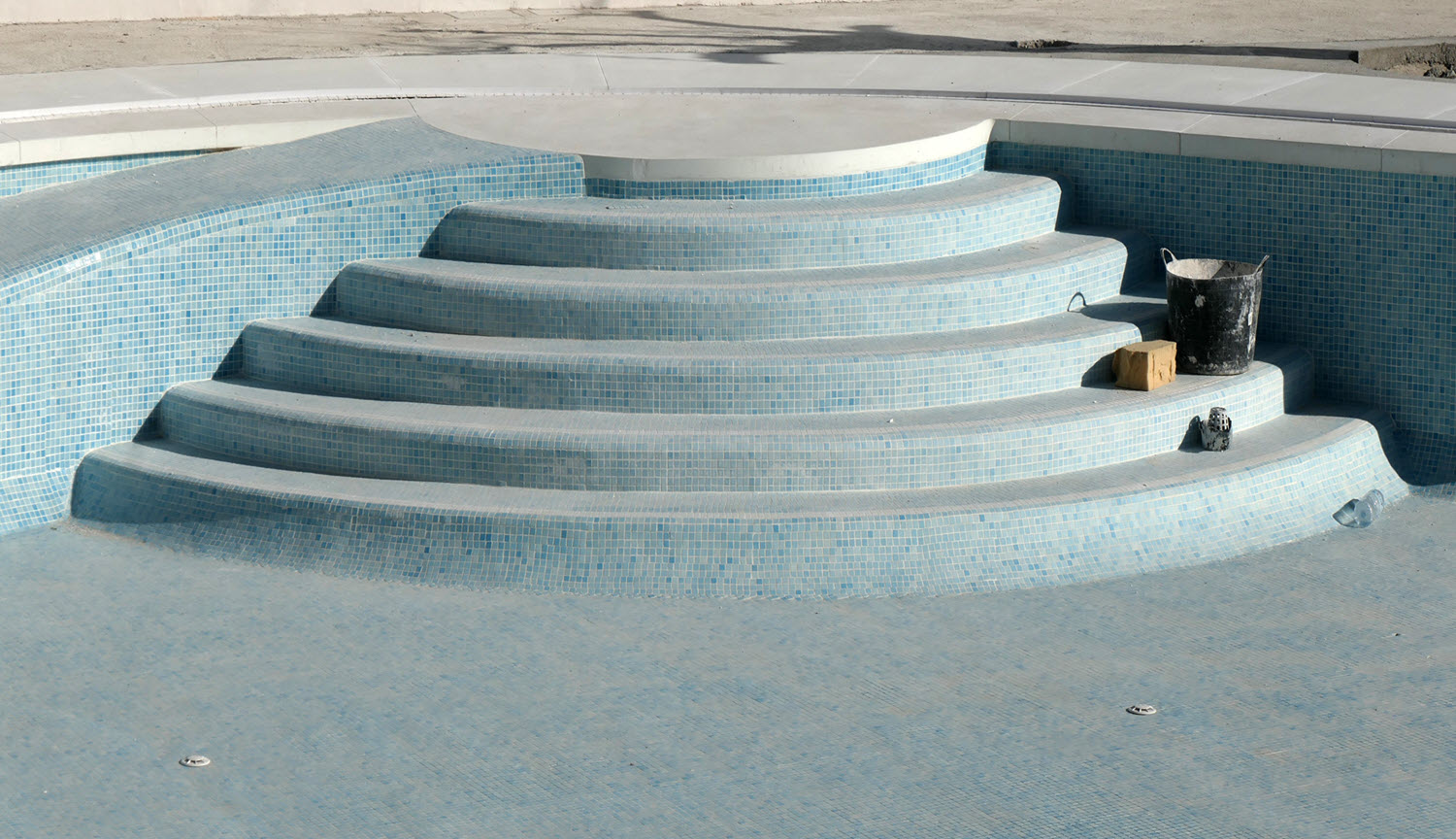
Schedule an evaluation when you notice pool surface deterioration or want help planning for an aging finish. Bring the installation date, product information, maintenance records, and photographs if available. Get a clear explanation of what your pool needs and why. Contact Precision Pool Restoration to discuss your surface concerns and whether cleaning, repair, or resurfacing is the appropriate next step.
Works Cited
“How Long Does a Pebble Pool Finish Last?” Pebble Technology International, https://pebbletec.com/more-to-explore/how-long-does-a-pebble-pool-finish-last/.
“Pool Care Instructions.” Pebble Technology International, https://pebbletec.com/customer-support/pool-care-instructions/.
“Pool Interior Finish Disclosure.” National Plasterers Council, 16 Dec. 2015, https://www.npconline.org/page/pool-interior-finish-disclosure.
“Swimming Pool Finishes & Etching Deterioration.” National Plasterers Council, https://www.npconline.org/page/swimming-pool-deterioration.