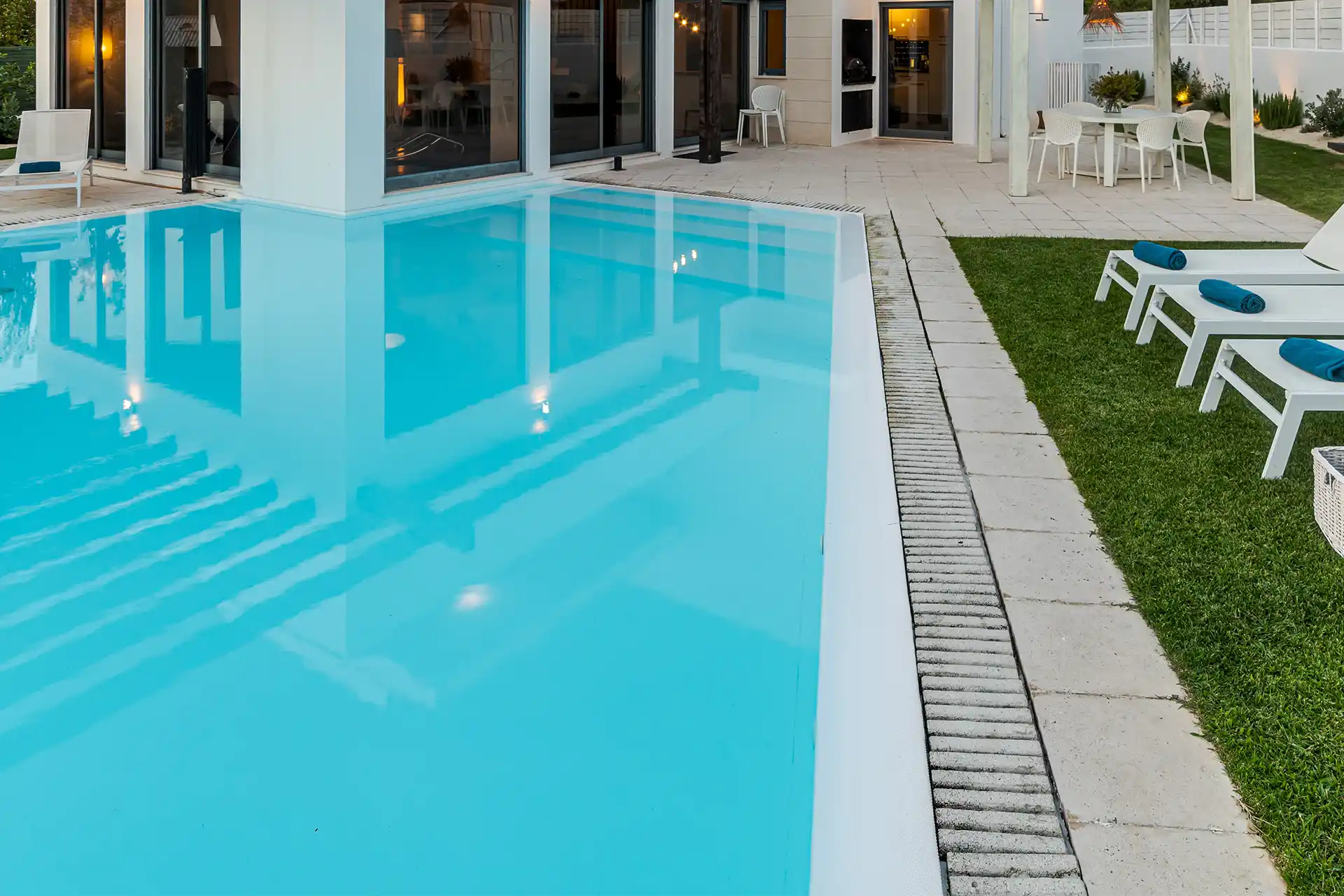
What to Include in a Pool Remodel Plan
A pool remodel can fix much more than old plaster or an outdated look. One project can address years of surface wear, update old equipment, add new features, and reshape the deck to make your backyard fit the way you live today.
This guide covers the essential steps of a pool remodel plan, from setting goals to planning a timeline. It’s designed to help Texas homeowners visualize pool renovation not as a series of separate stages, but as a single, achievable project.
Key Takeaways
- Start by identifying the problems you want to fix and the upgrades you want to make.
- Assess the condition of the pool before choosing cosmetic improvements.
- Include resurfacing, tile, coping, decking, equipment, and optional features in the scope.
- Set a budget and establish priorities before selecting materials.
- A detailed plan helps align the homeowner and contractor on scope, cost, materials, and timing.
Define Your Remodel Goals
Start with anything that bothers you about the pool right now. Consider everything, from outdated tiling and inefficient equipment to whether the pool is too deep for your family.
Next, think about what you want from the finished space. Do you want easier access and less upkeep? Are you looking for a more contemporary design, more room to lounge, new lighting, or a spa? Whether you want to focus on functionality, aesthetics, or both, writing down all your pool remodeling ideas can help you set a clear project scope and build a comprehensive plan.
Assess the Existing Pool
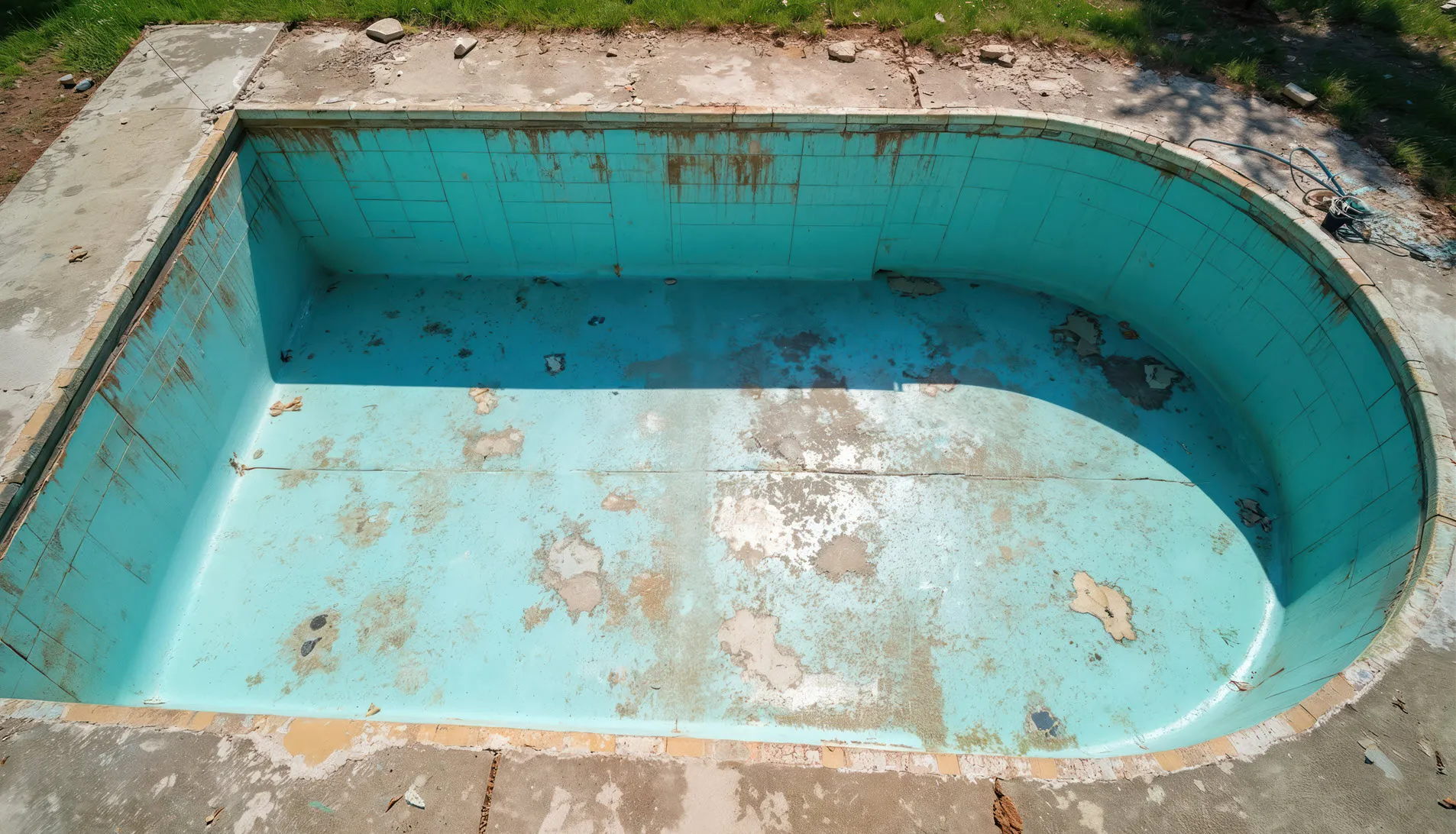
Before selecting new tile or finishes, start by identifying existing issues. Carefully assess the pool surface, coping, deck, equipment, and shell. Look for worn plaster, cracks, rust, stains, loose tiles, or areas that feel hollow.
This step matters! Cosmetic work should not be used to mask an essential repair. Rather than adding steps to your pool remodel plan, you’re laying the foundation for a remodel that lasts.
The other benefit of the assessment is revealing which parts of the pool still have useful life. You may not need to replace everything at once — your goal is to extend the pool's lifespan while addressing issues that affect its use or condition.
Choose Your Upgrades
Once you know what needs attention, you can start building a plan that takes everything into account. Now it’s time to turn your pool remodel ideas into an actionable scope of work.
Surface, Tile, and Coping
Pool resurfacing can include replacing the interior finish, waterline tiles, and coping.
Interior Finish: The pool’s finish affects its appearance, durability, maintenance needs, and lifespan. Common options include:
- White plaster: A classic look that typically lasts 5–12 years
- Quartz: Added durability and stain resistance with an average lifespan of 10–15 years.
- Pebble: Longest performance, often lasting 20+ years
- Specialty blends: If available, these finishes can create unique colors and visual effects.
Waterline Tile: Scale buildup can typically be removed, but cracked, faded, or outdated tiling should be replaced. Options may include ceramic, glass mosaic, natural stone, and custom designs. Because it sits at eye level, updating the tile can create a noticeable visual improvement during a renovation.
Coping: If your pool remodel included new waterline tile or decking, replacing the coping to match can create a more cohesive pool design. Your choice of material may include travertine, limestone, brick, concrete, and other stone options.
Plan these materials together. A warm stone coping, for example, may call for a different tile or water color than a crisp, modern edge. Your scope can also include structural upgrades such as new steps, a sun shelf, a raised wall, an attached spa, or a shallower deep end.
Decking and Equipment
Pool remodels don’t stop at the waterline. The deck significantly affects comfort, access, drainage, and the overall look of the backyard. If the existing surface is worn, cracked, uneven, or no longer fits the new pool design, include it in the pool renovation planning process.
Your project scope may include pool decking and hardscaping services such as deck tear-out, new concrete, spray deck, Limecoat overlays, and paver options. This is also the point to consider features that change how you use the pool, such as automation or water features.
Review your equipment at the same time. If your pump, filter, heater, or lighting system is over 10–15 years old, there may be quieter and more energy-efficient options available. If you’ve considered a saltwater system, a pool remodel is the perfect opportunity to make the conversion.
Set Your Remodel Budget
Build your budget around the top priorities. Follow this order:
- Essential repairs and any work needed to protect the pool
- Upgrades that improve use
- Design choices
If you can, leave some room in the budget for issues that may only become visible after the pool is drained and the old surface is prepared.
When collecting quotes, make sure to ask for a written scope that shows everything included in the project, from timeline expectations to material selections. A pool remodel can increase the home’s resale value, so look at value over time as well as the initial cost.
Build a Project Timeline
Your plan should include more than a start date.
The timeline should allow for the design stage, permitting, ordering materials, and preparing the pool or deck. Once the work is complete, you may need to allow for a start-up period as the new finish cures.
Some steps must happen in a set order. Tile and coping, for example, need to coordinate with the new interior finish. Deck work can also affect the sequence.
Project length will vary based on pool size and project scope. Surface preparation, structural repairs, deck removal, weather, or special materials can affect the schedule. Before work starts, confirm the planned sequence and major milestones in writing.
A thoughtful, comprehensive pool remodel plan can make the entire project feel more achievable. Precision Pool Restoration offers over 30 years of pool remodeling expertise across Texas. If you are considering updates to an existing in-ground pool, request a quote today.
Pool Remodel Planning Frequently Asked Questions
What should be included in a pool remodel plan?
Start with your goals and any known repair needs. Include resurfacing, tile and coping, decking and hardscape changes, equipment upgrades, and optional features such as steps or a spa. Add your material choices, budget, and expected timeline.
What should I prioritize when remodeling a pool?
Focus on functionality and safety before cosmetic changes. Next, address worn surfaces, cracks, damaged coping, or other repair needs that could affect the work that follows. Finally, focus on aesthetics and upgrades that make the pool fit how you use your backyard.
How do I plan a budget for a pool remodel?
First, define the scope. Separate required repairs from optional upgrades, then compare material choices within that framework. Request several estimates to get a ballpark figure of what to expect from a detailed quote.
Should pool decking be included in a pool remodel?
It should be part of the discussion. If the deck is cracked, uneven, or uncomfortable — or simply doesn’t match the new pool design — completing both areas as one project can create a more cohesive result.
Pool resurfacing, or replastering, renews the pool’s interior finish. The material you choose influences its appearance, texture, and expected service life.
A concrete pool with plaster may need resurfacing within five to ten years, while a properly installed pebble finish can last more than twenty. Your pool’s age is the first starting point to determine if a complete pool resufacing project is right for you.
If you own a concrete or gunite pool, understanding the interior finish can help you budget ahead and recognize when maintenance needs professional attention.
How Long Do Different Pool Finishes Last?
These are manufacturer estimates from Pebble Technology International, which sells pebble finishes. Treat themas planning guidance, not guaranteed replacement dates.
Traditional plaster provides a smooth, familiar surface that the majority of residential and commercial swimming pools have. A quartz aggregate pool deck finishes incorporate quartz into the cement-based mixture, while a pebble aggregate finish use small stones with the cement mixture. Each offers a different feel and appearance.
Unsure which finish you have? Check your pool construction paperwork or previous resurfacing invoice. A qualified contractor can also help identify it. Ask about the specific product’s maintenance requirements and warranty. The warranty coverage and expected lifespan are separate considerations.
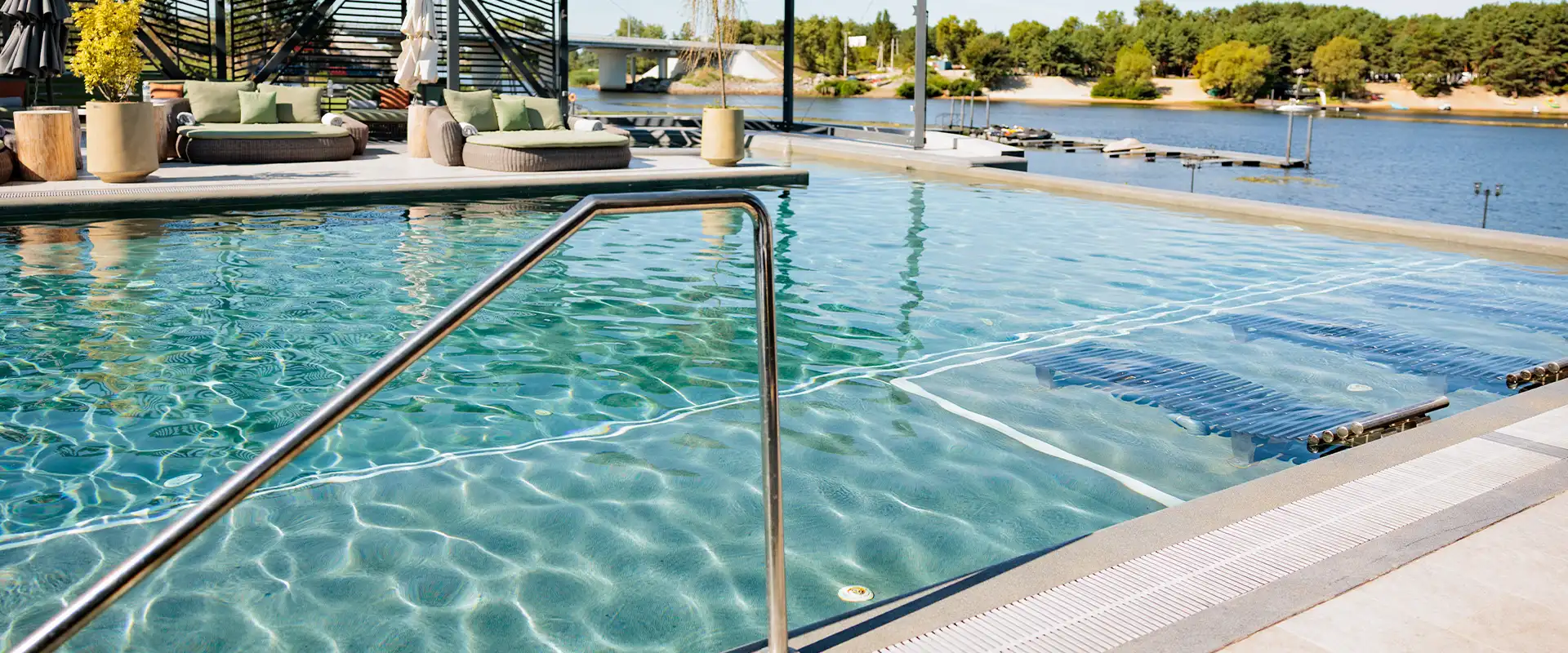
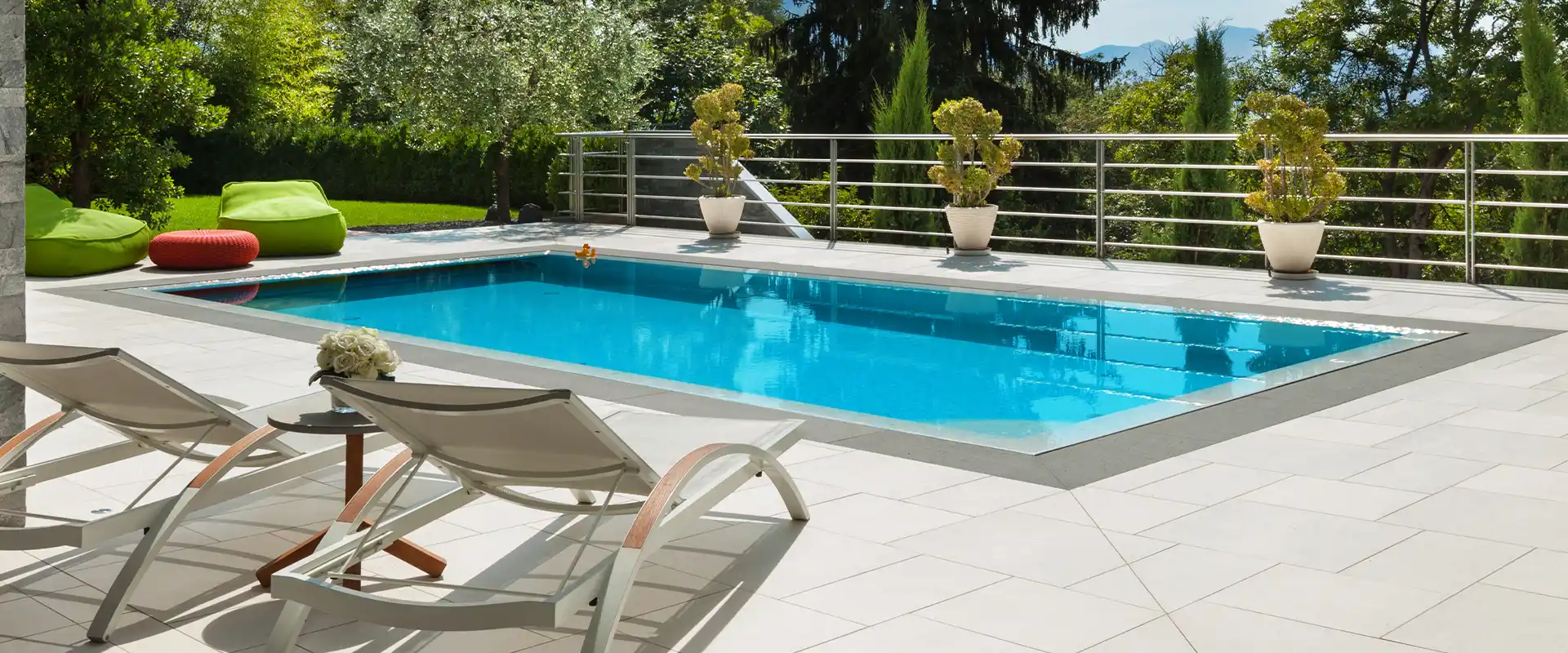
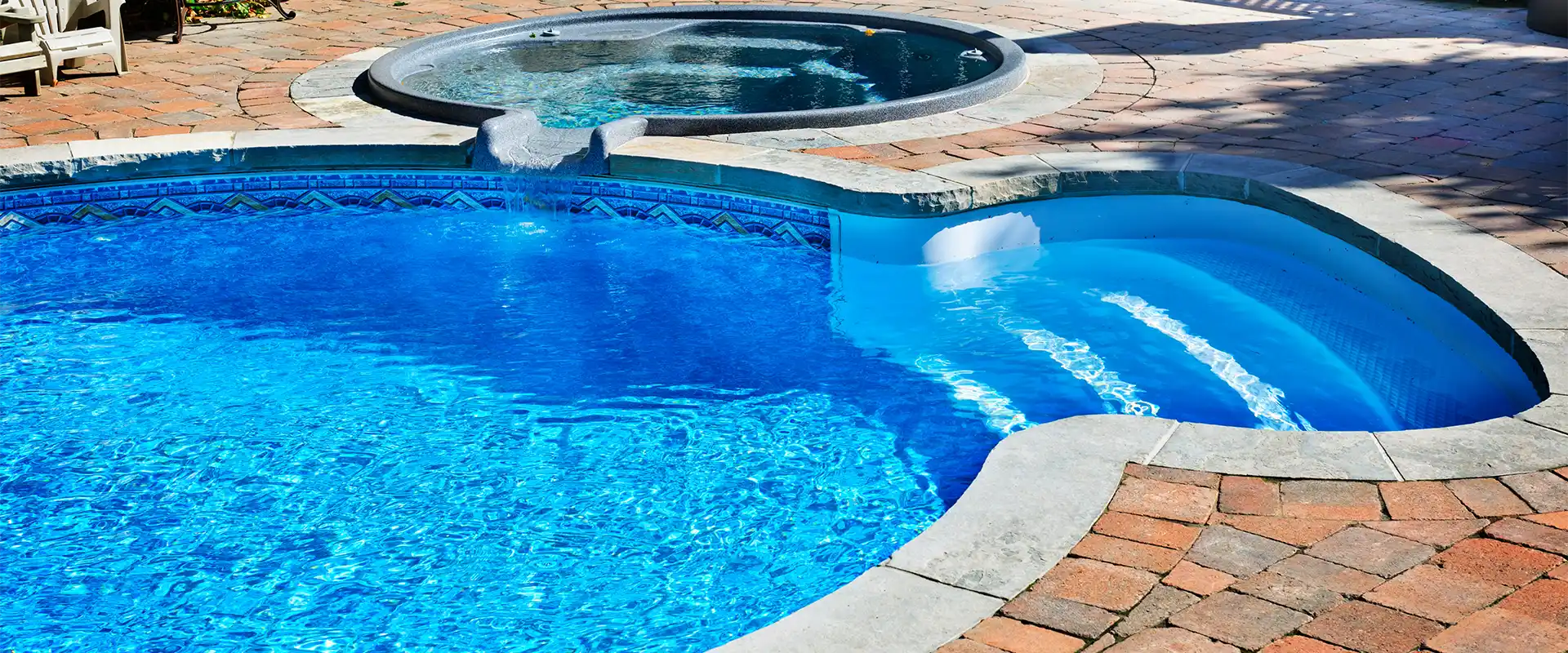
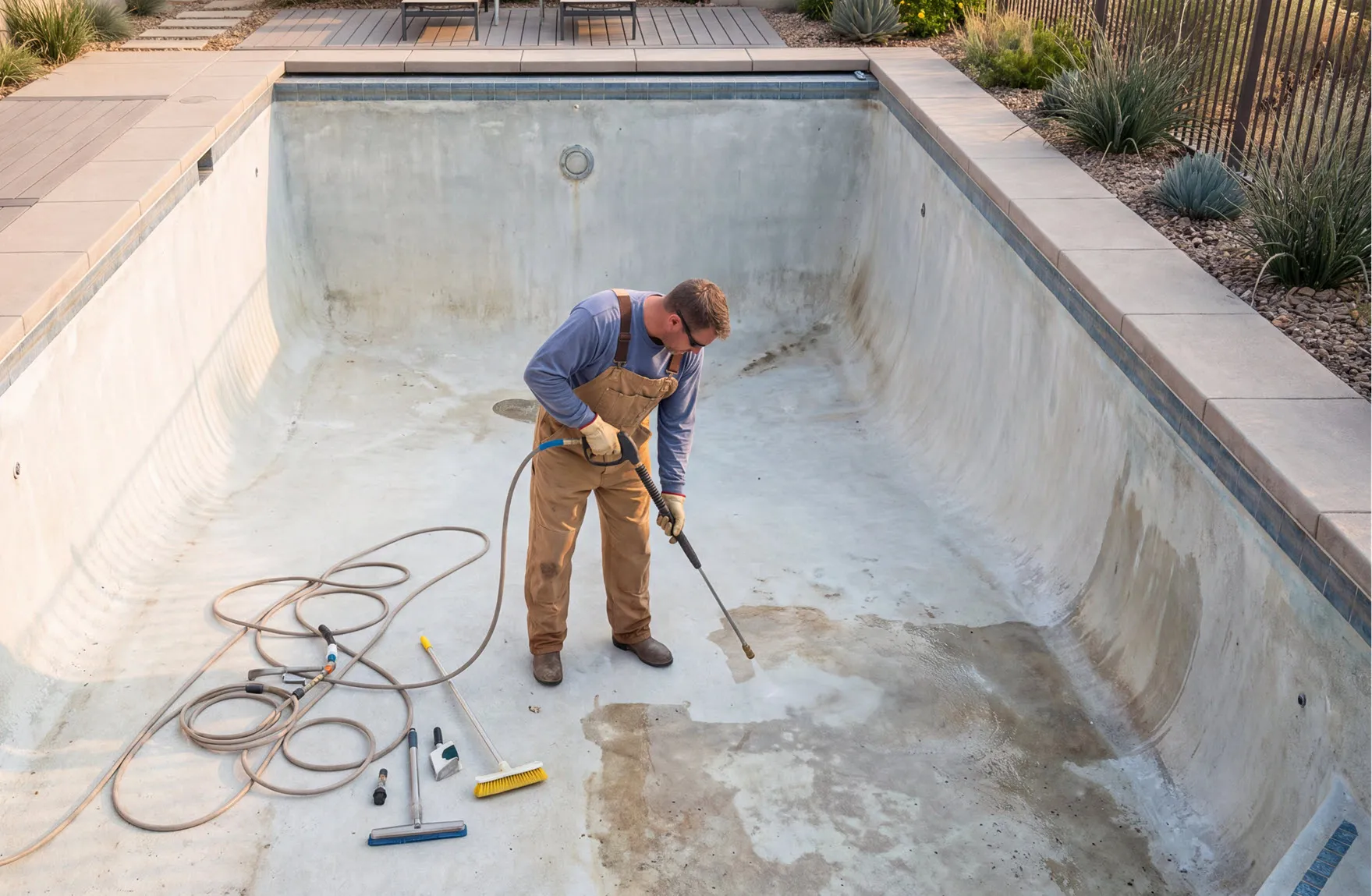
Does Your Pool Need Cleaning, Repair, or Resurfacing?
3 Questions To Ask
Before you approve any work to start, ask your contractor to explain with problem the proposed action plan will solve.
- Is the visible problem a deposit, a stain, ordeterioration of the finish?
- Is the damage limited to one area or spread throughout the pool?
- Do cracks or suspected water loss require a separate investigation?
Ask whether cleaning or a localized repair is appropriate and what limitations that approach would have. If full resurfacing is recommended, request an explanation of why a smaller repair would be insufficient. A useful proposal connects the observed condition to the work being recommended. It should also identify any additional investigation needed before that work begins.
How To Help Your Pool Surfaces Last Longer
Consistent pool surface care gives your finish its best chance of reaching its expected lifespan. PebbleTec recommends testing water chemistry at least weekly for its finishes and keeping water analysis reports.
Follow your own finish manufacturer’s instructions and your service professional’s advice about additional testing. Make these habits part of your routine:
- Follow written water chemistry and maintenance instructions.
- Brush with equipment appropriate for your pool finish.
- Remove leaves and other debris regularly.
- Keep service records and report surface changes to your pool maintenance provider.
After a pool resurfacing project, keep the startup instructions with your maintenance records. PebbleTec publishes specific requirements for brushing, heating, and adding salt during this period, illustrating why care must match the installed product.
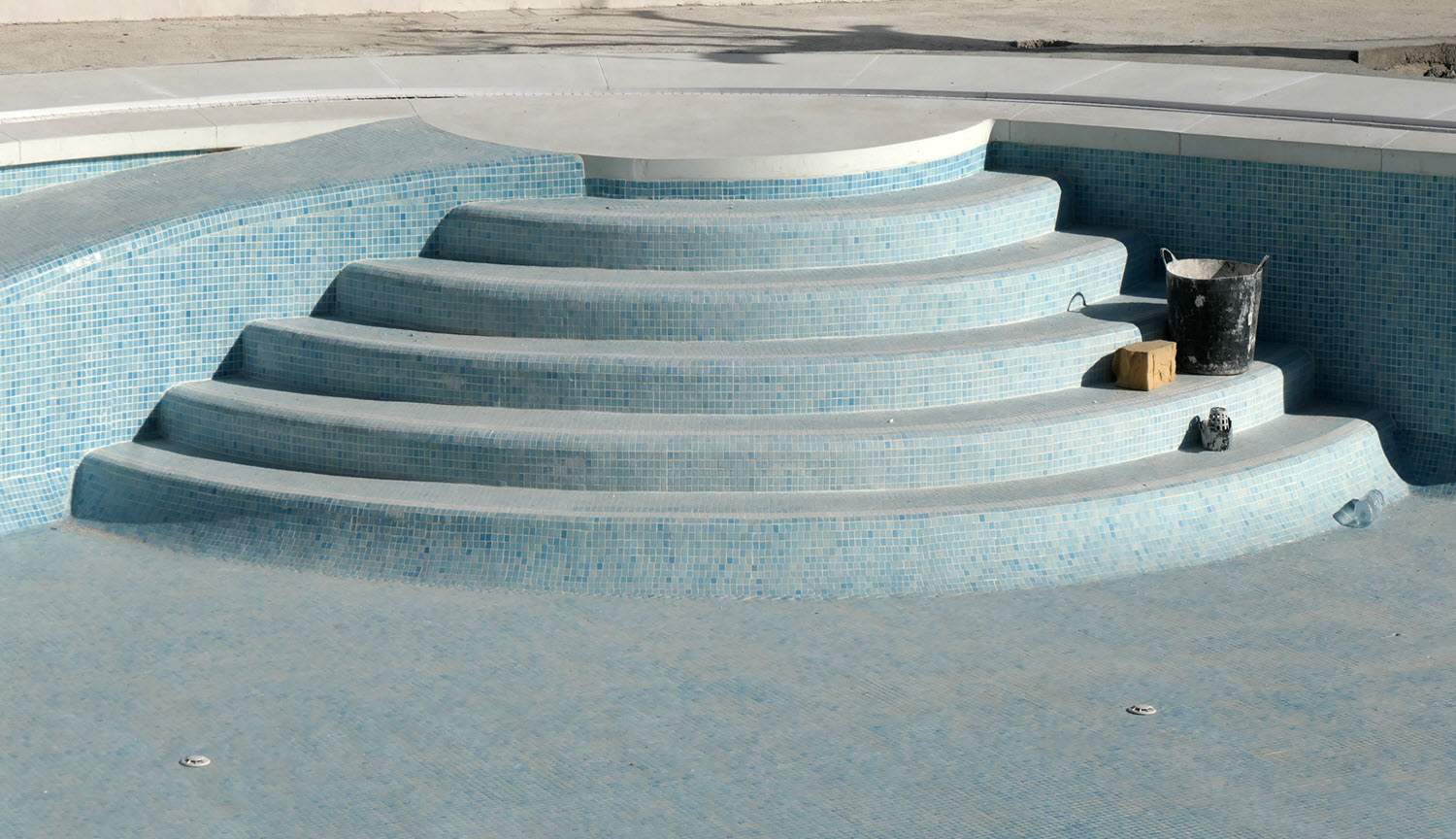
When Should You Schedule an Inspection?
Schedule an evaluation when you notice pool surface deterioration or want help planning for an aging finish. Bring the installation date, product information, maintenance records, and photographs if available. Get a clear explanation of what your pool needs and why. Contact Precision Pool Restoration to discuss your surface concerns and whether cleaning, repair, or resurfacing is the appropriate next step.
Works Cited
“How Long Does a Pebble Pool Finish Last?” Pebble Technology International, https://pebbletec.com/more-to-explore/how-long-does-a-pebble-pool-finish-last/.
“Pool Care Instructions.” Pebble Technology International, https://pebbletec.com/customer-support/pool-care-instructions/.
“Pool Interior Finish Disclosure.” National Plasterers Council, 16 Dec. 2015, https://www.npconline.org/page/pool-interior-finish-disclosure.
“Swimming Pool Finishes & Etching Deterioration.” National Plasterers Council, https://www.npconline.org/page/swimming-pool-deterioration.