Pool Restoration Guide for Austin, TX Homeowners
Austin pools face unique challenges. Strong sunlight, hard water, and shifting black clay soil can affect pool surfaces and equipment over time. After enough long Austin summers, even a well-maintained pool will eventually show signs of aging.
Pool restoration can help homeowners improve their pool’s appearance, repair damage, and extend the life of their existing pool without replacing the entire structure.
This guide explores the benefits, timelines, and common signs that it’s time to consider pool remodeling in Austin, TX.
Key Takeaways
- Pool restoration can improve an aging pool at a fraction of the cost of full replacement.
- Extreme Texas heat and mineral-rich water accelerate surface wear on Austin pools.
- Surface damage, outdated features, and equipment problems are common issues that restoration can address.
- Most pool restoration projects in Austin take about 1 to 3 weeks, depending on scope.
- Regular maintenance after restoration helps protect your investment.
Pool Restoration in Austin, TX: What You Need to Know
Pool restoration focuses on improving an existing pool that has reached the point where basic repairs are no longer enough. Instead of removing the pool and starting over, restoration updates the surfaces, features, and systems that need attention.
Common restoration projects include resurfacing worn plaster, replacing waterline tile, updating coping, improving decking, and upgrading old or inefficient equipment.
For homeowners in Austin, pool remodeling can refresh an older backyard while keeping the existing structure and layout. The process can be tailored to address specific concerns without the cost of a complete rebuild.
A restoration plan should begin with a consultation to understand the homeowner’s goals, followed by a full evaluation of the pool surface, surrounding areas, and equipment.
Signs Your Austin Pool Needs Restoration, Not Just a Repair
Pool repairs in Austin can solve isolated problems, but recurring issues often require more thorough solutions.
Look for changes that affect how the pool looks, feels, or operates. A rough or flaking surface, equipment that drives up your energy bill, or features that no longer match the way you live can all point to restoration over repair.
Common Pool Warning Signs Austin Homeowners Shouldn't Ignore
Watch for:
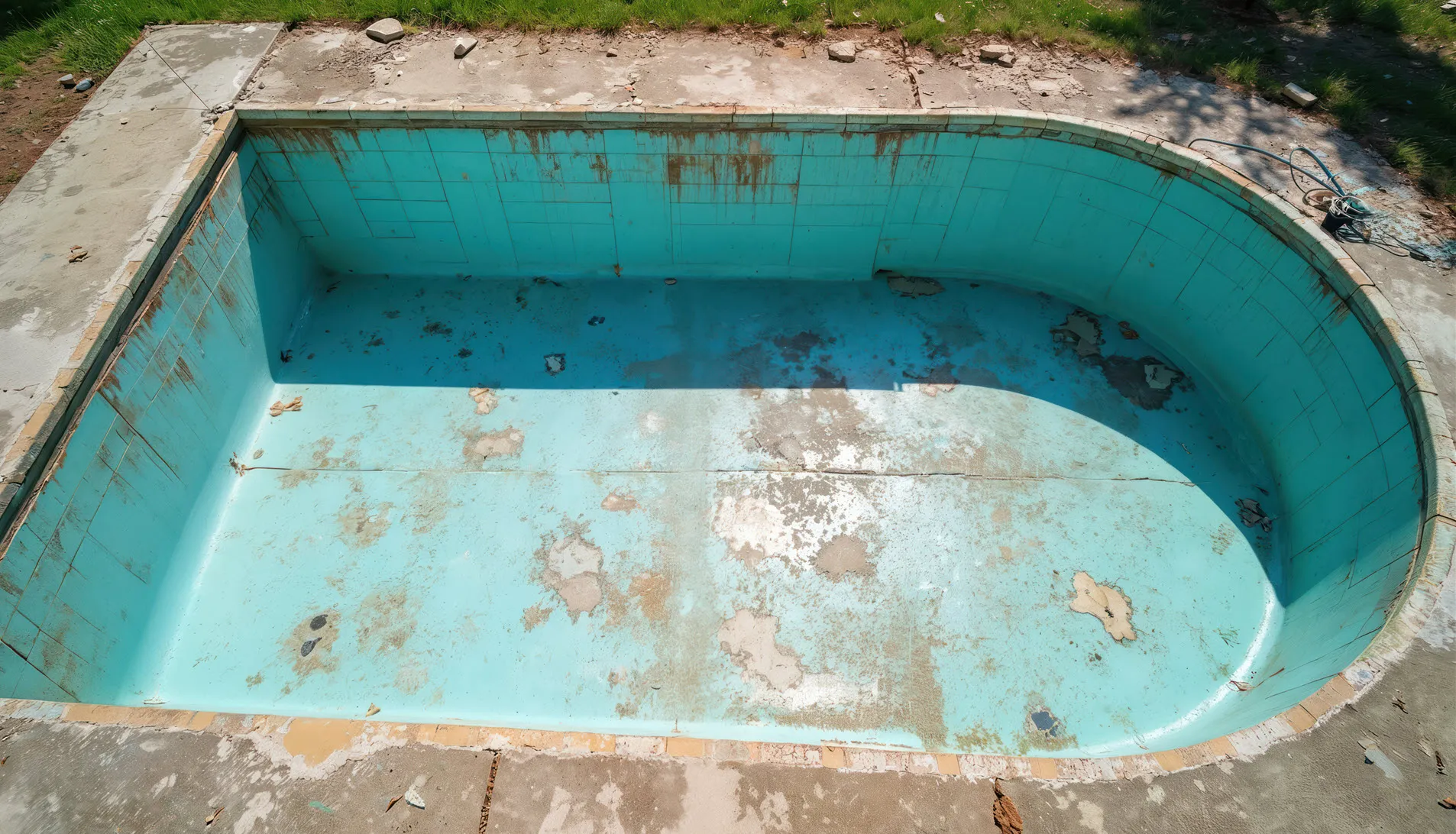
- Rough or peeling plaster that makes the surface uncomfortable
- Cracks that keep growing or returning after repair
- Stubborn stains that don’t improve with normal maintenance
- Loose tile or damaged coping around the pool edge
- Outdated or inefficient equipment
Pro Tip: Austin’s hard water is an invisible warning sign. Over time, calcium scale buildup can cause permanent damage.
Plaster, Pebble, and Tile: Comparing Resurfacing Materials for Austin Pools
The right finish can determine your pool maintenance needs for years to come. Let’s compare some popular options for pool resurfacing in Austin:
- Standard Plaster: Mixes white cement with marble dust. It offers a smooth look at an accessible price. Standard plaster lasts 7 to 10 years in Texas heat.
- Quartz Aggregate: Blends plaster with hard quartz crystals. It adds strength and stain resistance. Quartz finishes last 10 to 15 years.
- Pebble Finishes: Embeds smooth river stones into cement. Pebble surfaces withstand chemical shifts and prevent stains. Expect a lifespan of 15 to 25 years.
- Glass and Ceramic Tile: Covers pool surfaces with nonporous tile. Tile provides maximum stain resistance and timeless style. Tile finishes last over 20 years.
How Long Does Pool Restoration Take in Austin, TX?
Most Austin pool renovation projects take 1 to 3 weeks. Some take longer depending on the project scope, but virtually any restoration will take weeks compared to months for building a new pool.
The timeline depends on the pool size, selected materials, weather, and design scope. Simple resurfacing takes about 5 to 7 days, followed by a curing period. Adding a sun shelf, spa, fire feature, or new deck overlay can take 2 to 3 weeks.
Whatever the scope, a restoration professional should be able to provide a precise timeline following an on-site consultation.
Keeping Your Restored Pool in Top Shape: A Swimming Pool Maintenance Guide for Austin
Proper care protects your pool investment. Central Texas heat evaporates pool water and concentrates chemicals, which can prematurely age a freshly restored pool.
- Balance pH and alkalinity twice a week during summer.
- Brush pool walls twice a week to prevent algae growth.
- Clean skimmer baskets and pump filters 3–4 times a week during pollen season.
- Brush and clean the pool as recommended, especially after resurfacing.
- Follow startup instructions carefully during the curing period to protect the new finish.
Swimming Pool Inefficient Equipment: Old features
Is your pool equipment out of date?
- Replacing single-speed pumps (which run at full power constantly) with variable-speed models can cut your energy use up to 70 percent.
- Converting chlorine systems to salt systems creates soft water, simplifies chemical management, and can save money on chlorine tabs.
- Upgrading to LED lighting and smart automation can save energy while giving you full control of your backyard ambiance from your smartphone.
Consult an Austin pool restoration professional to learn more about ways upgrading your pool can save you time, effort, and money, while providing a more relaxing backyard experience.
Why Austin Homeowners Choose Precision Pool Restoration
Precision Pool Restoration brings over 35 years of experience to every backyard. Our team specializes exclusively in restoration, resurfacing, and remodeling, not building new pools. We back our work with an industry-best warranty, an On-Time Promise, and a 25-point quality checklist.
Our team offers custom solutions tailored to your goals, starting with a dedicated project manager who guides your restoration from start to finish. Rejuvenate your pool, refresh your space, and start loving your backyard again with help from Precision Pool Restoration.
Frequently Asked Questions
What is the most durable pool resurfacing material available in Austin, TX?
Pebble and tile finishes offer maximum durability in central Texas. Pebble surfaces resist chemical imbalance and withstand intense heat for 15 to 25 years. Tile provides a nonporous surface that resists stains and lasts over 20 years.
How much does pool restoration cost in Austin, TX?
Most pool resurfacing projects range from about $6,000 to $15,000. More extensive renovations that include tile, coping, decking, and equipment upgrades can range from $15,000 to $30,000 or more.
Precision Pool Restoration will provide a transparent quote following a free on-site consultation.
How long will my restored pool last before it needs resurfacing again?
Standard plaster often lasts about 7 to 10 years. Quartz finishes commonly last 10 to 15 years, while pebble finishes may last 15 to 20 years with proper care.
Can I use my pool during the restoration process?
No. The pool cannot be used while restoration work is underway.
The pool must remain empty during preparation and resurfacing. After a new finish is installed, the surface needs time to cure, and water chemistry must be balanced before swimming.
Pool resurfacing, or replastering, renews the pool’s interior finish. The material you choose influences its appearance, texture, and expected service life.
A concrete pool with plaster may need resurfacing within five to ten years, while a properly installed pebble finish can last more than twenty. Your pool’s age is the first starting point to determine if a complete pool resufacing project is right for you.
If you own a concrete or gunite pool, understanding the interior finish can help you budget ahead and recognize when maintenance needs professional attention.
How Long Do Different Pool Finishes Last?
These are manufacturer estimates from Pebble Technology International, which sells pebble finishes. Treat themas planning guidance, not guaranteed replacement dates.
Traditional plaster provides a smooth, familiar surface that the majority of residential and commercial swimming pools have. A quartz aggregate pool deck finishes incorporate quartz into the cement-based mixture, while a pebble aggregate finish use small stones with the cement mixture. Each offers a different feel and appearance.
Unsure which finish you have? Check your pool construction paperwork or previous resurfacing invoice. A qualified contractor can also help identify it. Ask about the specific product’s maintenance requirements and warranty. The warranty coverage and expected lifespan are separate considerations.
Latest Posts
Does Your Pool Need Cleaning, Repair, or Resurfacing?
3 Questions To Ask
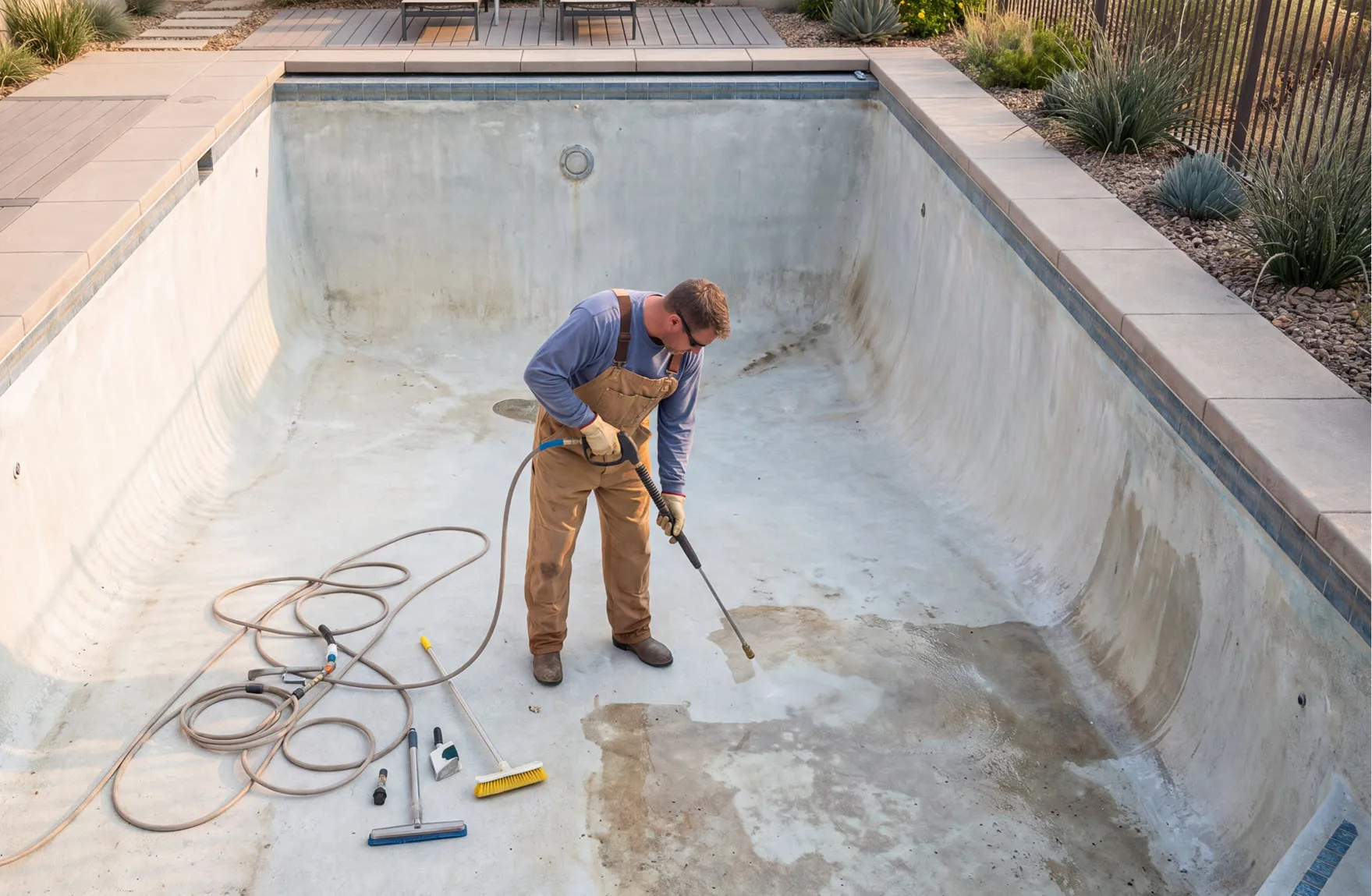
Before you approve any work to start, ask your contractor to explain with problem the proposed action plan will solve.
- Is the visible problem a deposit, a stain, ordeterioration of the finish?
- Is the damage limited to one area or spread throughout the pool?
- Do cracks or suspected water loss require a separate investigation?
Ask whether cleaning or a localized repair is appropriate and what limitations that approach would have. If full resurfacing is recommended, request an explanation of why a smaller repair would be insufficient. A useful proposal connects the observed condition to the work being recommended. It should also identify any additional investigation needed before that work begins.
How To Help Your Pool Surfaces Last Longer
Consistent pool surface care gives your finish its best chance of reaching its expected lifespan. PebbleTec recommends testing water chemistry at least weekly for its finishes and keeping water analysis reports.
Follow your own finish manufacturer’s instructions and your service professional’s advice about additional testing. Make these habits part of your routine:
- Follow written water chemistry and maintenance instructions.
- Brush with equipment appropriate for your pool finish.
- Remove leaves and other debris regularly.
- Keep service records and report surface changes to your pool maintenance provider.
After a pool resurfacing project, keep the startup instructions with your maintenance records. PebbleTec publishes specific requirements for brushing, heating, and adding salt during this period, illustrating why care must match the installed product.
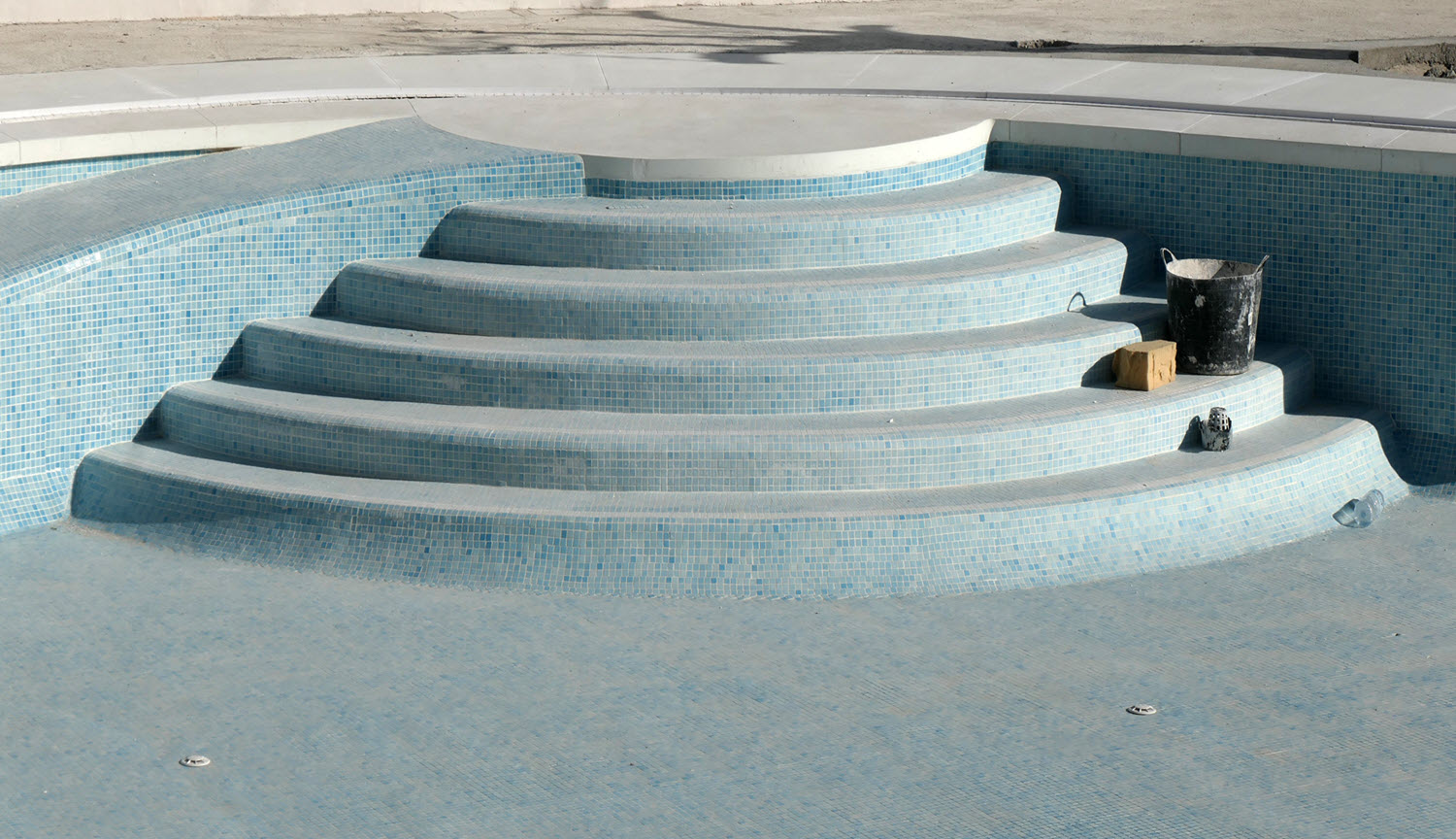
When Should You Schedule an Inspection?
Schedule an evaluation when you notice pool surface deterioration or want help planning for an aging finish. Bring the installation date, product information, maintenance records, and photographs if available. Get a clear explanation of what your pool needs and why. Contact Precision Pool Restoration to discuss your surface concerns and whether cleaning, repair, or resurfacing is the appropriate next step.
Works Cited
“How Long Does a Pebble Pool Finish Last?” Pebble Technology International, https://pebbletec.com/more-to-explore/how-long-does-a-pebble-pool-finish-last/.
“Pool Care Instructions.” Pebble Technology International, https://pebbletec.com/customer-support/pool-care-instructions/.
“Pool Interior Finish Disclosure.” National Plasterers Council, 16 Dec. 2015, https://www.npconline.org/page/pool-interior-finish-disclosure.
“Swimming Pool Finishes & Etching Deterioration.” National Plasterers Council, https://www.npconline.org/page/swimming-pool-deterioration.