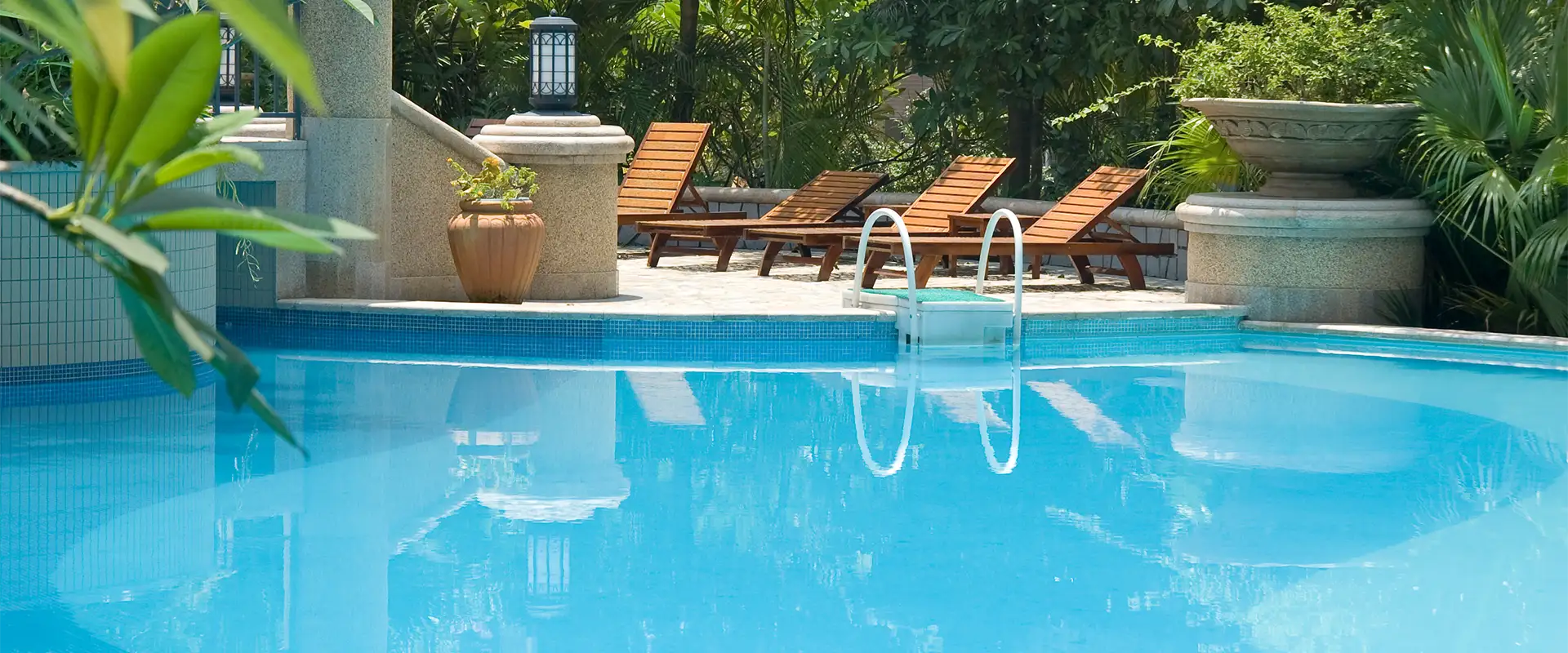
5 benefits of pool remodeling
If years of use have left your pool area looking dated, worn, or out of touch with how you use it, a remodel can give your backyard the fresh start it deserves.
Remodeling a pool lets you refresh its appearance, install more efficient equipment, and address repairs while preserving the existing structure. Here are five benefits of pool remodeling, along with some pool renovation ideas to help you fall back in love with your backyard.
Key Takeaways
- Pool remodeling can update the appearance and functionality of an existing pool without requiring a complete rebuild.
- Popular pool upgrades can include new finishes, tile, coping, decking, steps, benches, sun shelves, and water features.
- Remodeling can help address worn or outdated materials while extending the useful life of the pool.
- A pool remodel can make the space better suited to how homeowners currently use and enjoy their backyard.
- The right remodel plan should prioritize the pool’s condition, desired upgrades, budget, and long-term goals.
What Does Remodeling a Pool Include?
A pool remodel might be as simple as replacing a worn plaster finish or as involved as changing the pool’s depth, entry steps, or surrounding deck.
If the structure and function are just how you like them, cosmetic upgrades like new waterline tile, stone coping, or a pebble finish can add a more contemporary look. If you’re ready for a more substantial change, you might consider adding a shallow sun shelf, built-in seating, or a raised wall with a water feature.
Has your pool been there longer than you have? Equipment upgrades, such as variable-speed pumps, LED lighting, and automated controls, offer energy savings and everyday convenience.
The right remodel depends on your pool's condition and what you’d like to change. An experienced pool renovation service can address anything from surface wear to major modifications while preserving the pool you already own.
5 Benefits of Pool Remodeling
1. Refresh the Look of Your Pool
You don’t have to update everything to make your pool feel like new. Start with the interior finish: swapping faded white plaster for a darker pebble or quartz finish can change the color and character of the water.
Think about how the pool fits into the rest of the backyard. Travertine coping and stone pavers can give the space a more natural look, while new waterline tile and a textured deck coating can sharpen up a dated design. For a bigger change, consider adding a contemporary water feature or spa, or even altering the shape of the pool itself.
2. Improve How You Use Your Pool
A pool designed years ago may not suit your household's current needs. Remodeling lets you make it more functional without starting from scratch.
Some popular updates include:
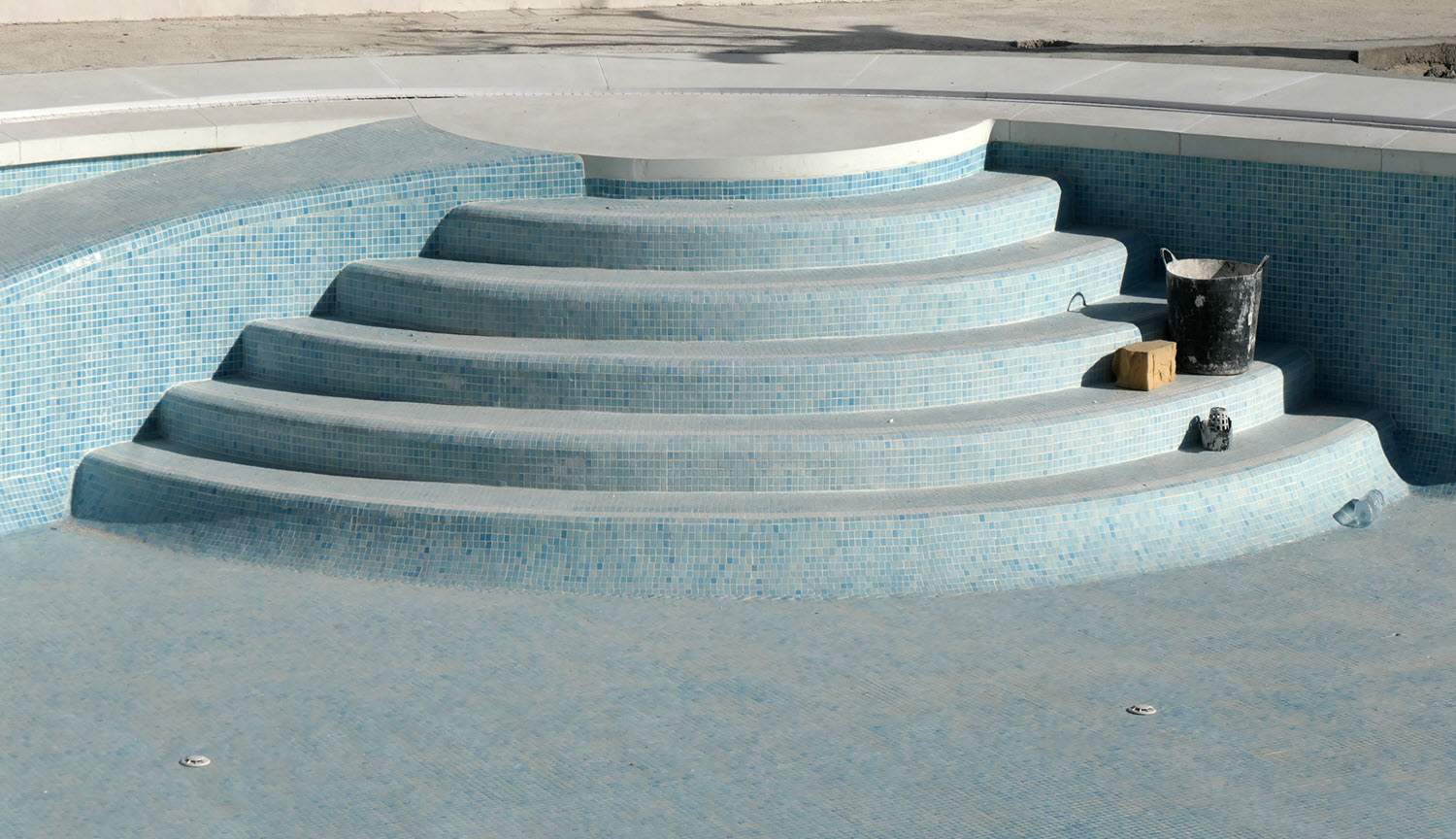
- Sun shelves
- Built-in benches
- Updated entry steps
- Shallowing
3. Extend the Life of Your Existing Pool
Years of exposure to hard water, chemicals, and Texas soil and weather can deteriorate pool surfaces, coping, and decking. Addressing damage early can save you from more extensive repairs later.
For example, many homes in DFW, Austin, Houston, and San Antonio are built on expansive black clay soil. When it expands and contracts, the stress can cause cracks in your pool finish, and plastering over the crack won’t solve the issue. Professional resurfacing repairs both the crack and the structure beneath, restoring the integrity of your pool shell and adding years to your investment.
4. Add Modern Pool Features and Upgrades
Your pool doesn’t have to be limited to the features available when it was installed. Modern upgrades can improve convenience, efficiency, and your swimming experience.
- LED lighting provides greater control and energy efficiency.
- Saltwater conversion offers a silky water feel without the chlorine smell.
- Automation systems make lighting and equipment schedules simple.
- A properly sized variable-speed pump can reduce your power bill.
Adding automation to an older pool may require new controls or changes to existing wiring. Have a specialist review the equipment pad to explore your options.
5. Address Aging Finishes and Materials
There’s a point when patching up an aging pool stops making sense. If the plaster is wearing thin or tiles keep coming loose, replacing the material may be a better investment than another temporary repair.
A remodel gives you the opportunity to fix these problems at once. For example, replacing old coping and the flexible seal between the pool and deck addresses two areas where water can work its way beneath the surrounding pavement.
The goal is to replace anything at the end of its useful life so you’re not dealing with the same problems again next season.
Pool Remodel Ideas to Consider
For a cosmetic refresh, new plaster and waterline tile often make the biggest visual difference. You can choose anything from classic white plaster to a textured pebble finish, then select tile and coping that suit your backyard’s style.
If your pool doesn’t get much use, think about why. A sun shelf can give adults a place to sit in shallow water, while a bench along one wall adds seating without taking up much swimming space.
Other pool renovation ideas include LED lighting, water features, or replacing an aging pump. These can be especially worthwhile if your existing equipment is nearing the end of its service life.
Plan related work at the same time. For example, if you plan to replace the decking soon, think about updating the coping as well to save you from the cost and time of a separate project later.
To learn more, explore what to include in a pool remodel plan.
When Should You Consider a Pool Remodel?
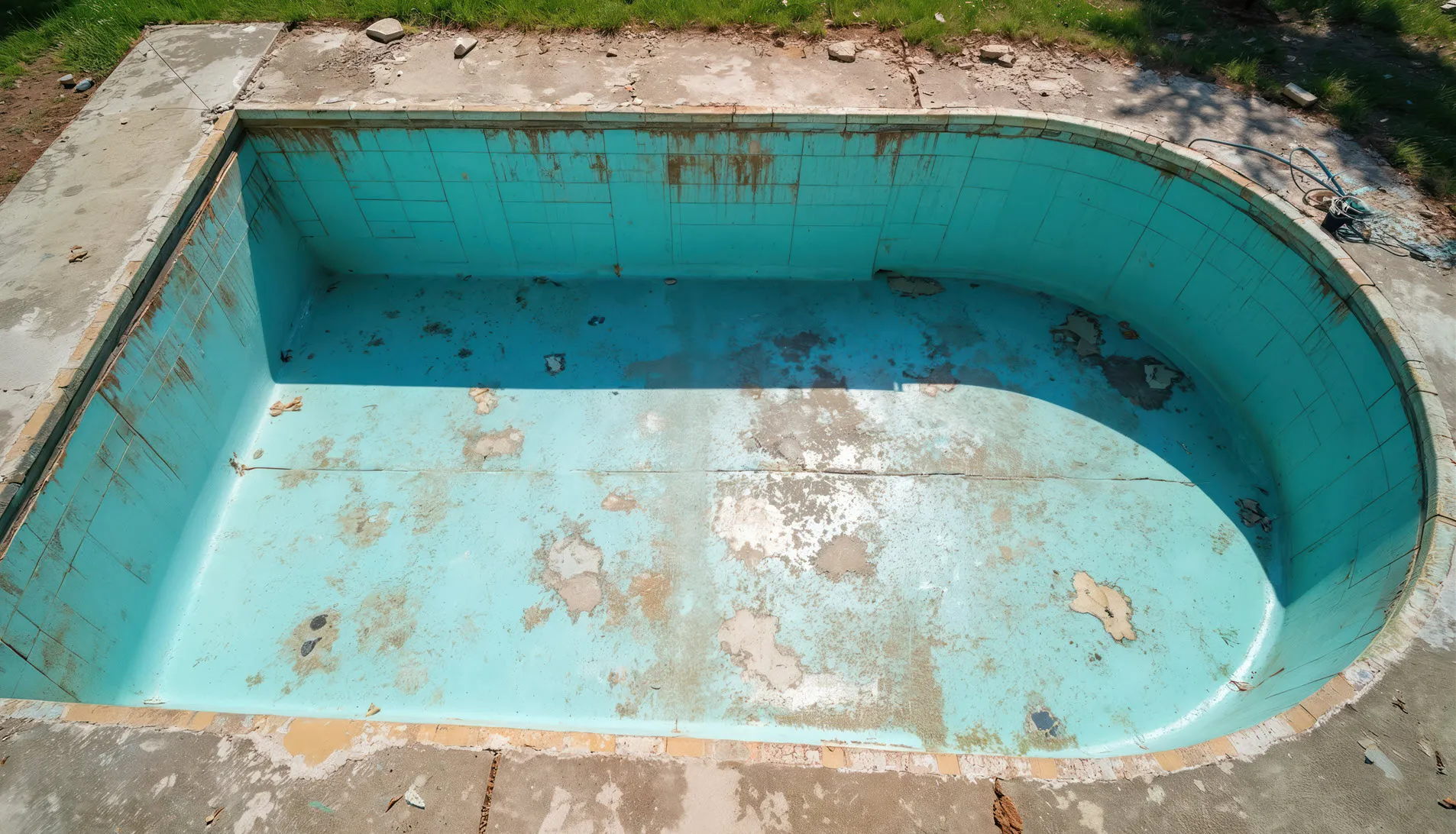
Rough or discolored plaster, deteriorating tile, damaged coping, and worn decking are common signs that your pool is ready for a redo. Recurring cracks or spreading damage may signal problems that need special attention.
Is your pool in decent condition but rarely gets used? Perhaps your family would spend more time outside if there were a shallow place to relax, the water felt softer, or the deep end wasn’t quite so deep. Changes like these can make an older pool more useful without replacing it.
Before deciding on upgrades, have a specialist assess your pool for essential repairs. There’s little sense in spending money on decorative tile if the surface underneath needs work.
Pool remodeling specialists can examine the existing materials, explain your options, and help you develop a project that fits your goals and budget.
Frequently Asked Questions
Is remodeling a pool worth it?
If the structure is sound, remodeling can be a better value than replacing the entire pool. You can keep what works and invest in the areas that need attention, typically at a lower cost and with a project timeline of weeks instead of months.
What are some popular pool remodel ideas?
Resurfacing and replacing waterline tile are common starting points for older pools. Other ideas include sun shelves for lounging, benches for seating, LED lighting, saltwater conversion, and upgrading to more energy-efficient equipment. If the pool deck is outdated or cracked, consider updating the coping and decking at the same time.
How long does a pool remodel take?
A resurfacing project may take 1–2 weeks from preparation to completion, followed by a 28-day curing time. A larger renovation with decking, tile, equipment upgrades, and additional features could take 3–6 weeks or longer.
Learn more about how long it takes to remodel a pool.
What is the difference between pool remodeling and pool resurfacing?
Resurfacing replaces the pool’s interior finish while leaving its shape and features largely unchanged. Remodeling is a broader project that might involve new tile, coping, equipment, or changes to the pool’s layout. Many remodels include resurfacing, but a pool with sound plaster may only need other updates.
Pool resurfacing, or replastering, renews the pool’s interior finish. The material you choose influences its appearance, texture, and expected service life.
A concrete pool with plaster may need resurfacing within five to ten years, while a properly installed pebble finish can last more than twenty. Your pool’s age is the first starting point to determine if a complete pool resufacing project is right for you.
If you own a concrete or gunite pool, understanding the interior finish can help you budget ahead and recognize when maintenance needs professional attention.
How Long Do Different Pool Finishes Last?
These are manufacturer estimates from Pebble Technology International, which sells pebble finishes. Treat themas planning guidance, not guaranteed replacement dates.
Traditional plaster provides a smooth, familiar surface that the majority of residential and commercial swimming pools have. A quartz aggregate pool deck finishes incorporate quartz into the cement-based mixture, while a pebble aggregate finish use small stones with the cement mixture. Each offers a different feel and appearance.
Unsure which finish you have? Check your pool construction paperwork or previous resurfacing invoice. A qualified contractor can also help identify it. Ask about the specific product’s maintenance requirements and warranty. The warranty coverage and expected lifespan are separate considerations.
Latest Posts
Does Your Pool Need Cleaning, Repair, or Resurfacing?
3 Questions To Ask
Before you approve any work to start, ask your contractor to explain with problem the proposed action plan will solve.
- Is the visible problem a deposit, a stain, ordeterioration of the finish?
- Is the damage limited to one area or spread throughout the pool?
- Do cracks or suspected water loss require a separate investigation?
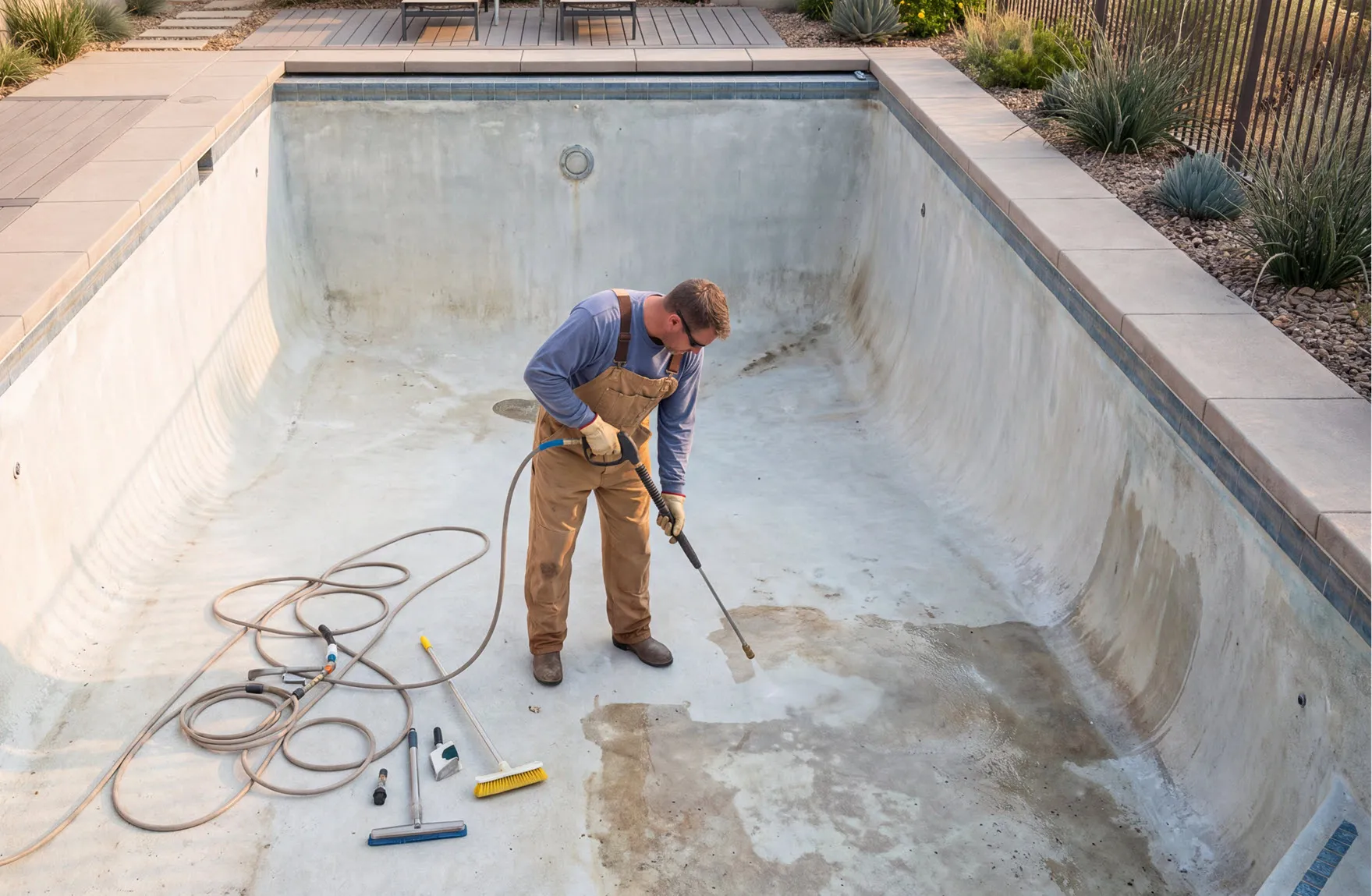
Ask whether cleaning or a localized repair is appropriate and what limitations that approach would have. If full resurfacing is recommended, request an explanation of why a smaller repair would be insufficient. A useful proposal connects the observed condition to the work being recommended. It should also identify any additional investigation needed before that work begins.
How To Help Your Pool Surfaces Last Longer
Consistent pool surface care gives your finish its best chance of reaching its expected lifespan. PebbleTec recommends testing water chemistry at least weekly for its finishes and keeping water analysis reports.
Follow your own finish manufacturer’s instructions and your service professional’s advice about additional testing. Make these habits part of your routine:
- Follow written water chemistry and maintenance instructions.
- Brush with equipment appropriate for your pool finish.
- Remove leaves and other debris regularly.
- Keep service records and report surface changes to your pool maintenance provider.
After a pool resurfacing project, keep the startup instructions with your maintenance records. PebbleTec publishes specific requirements for brushing, heating, and adding salt during this period, illustrating why care must match the installed product.
When Should You Schedule an Inspection?
Schedule an evaluation when you notice pool surface deterioration or want help planning for an aging finish. Bring the installation date, product information, maintenance records, and photographs if available. Get a clear explanation of what your pool needs and why. Contact Precision Pool Restoration to discuss your surface concerns and whether cleaning, repair, or resurfacing is the appropriate next step.
Works Cited
“How Long Does a Pebble Pool Finish Last?” Pebble Technology International, https://pebbletec.com/more-to-explore/how-long-does-a-pebble-pool-finish-last/.
“Pool Care Instructions.” Pebble Technology International, https://pebbletec.com/customer-support/pool-care-instructions/.
“Pool Interior Finish Disclosure.” National Plasterers Council, 16 Dec. 2015, https://www.npconline.org/page/pool-interior-finish-disclosure.
“Swimming Pool Finishes & Etching Deterioration.” National Plasterers Council, https://www.npconline.org/page/swimming-pool-deterioration.